“Pancho” is a common nickname or term used in various cultures and contexts to refer to different individuals or groups of people. The origins and meanings of this term can vary greatly depending on the cultural, historical, and linguistic context in which it is used. In this article, we will explore some of the common uses of the term “Pancho” and its significance in different settings.
- Pancho as a nickname for Francisco: One of the most common uses of the term “Pancho” is as a nickname for the name Francisco. Francisco is a Spanish and Portuguese given name that has been popular in many Spanish-speaking countries and communities. “Pancho” is a shortened and informal version of Francisco, and it is often used affectionately or informally to refer to someone named Francisco. For example, the famous Mexican revolutionary Francisco Villa was commonly known as “Pancho Villa.” In this context, “Pancho” is used as a term of endearment or familiarity, similar to how “Frankie” might be used as a nickname for someone named Francis or Frank in English-speaking countries.
- Pancho as a term for a person of Mexican descent: In some English-speaking countries, particularly the United States, “Pancho” has been used as a derogatory term to refer to people of Mexican descent. This usage is considered offensive and is considered a racial slur. It is believed to have originated from the stereotype of Mexican men being named Francisco and being referred to as “Pancho” in a derogatory manner. However, it is important to note that using “Pancho” in this way is considered disrespectful and perpetuates harmful stereotypes about people of Mexican descent.
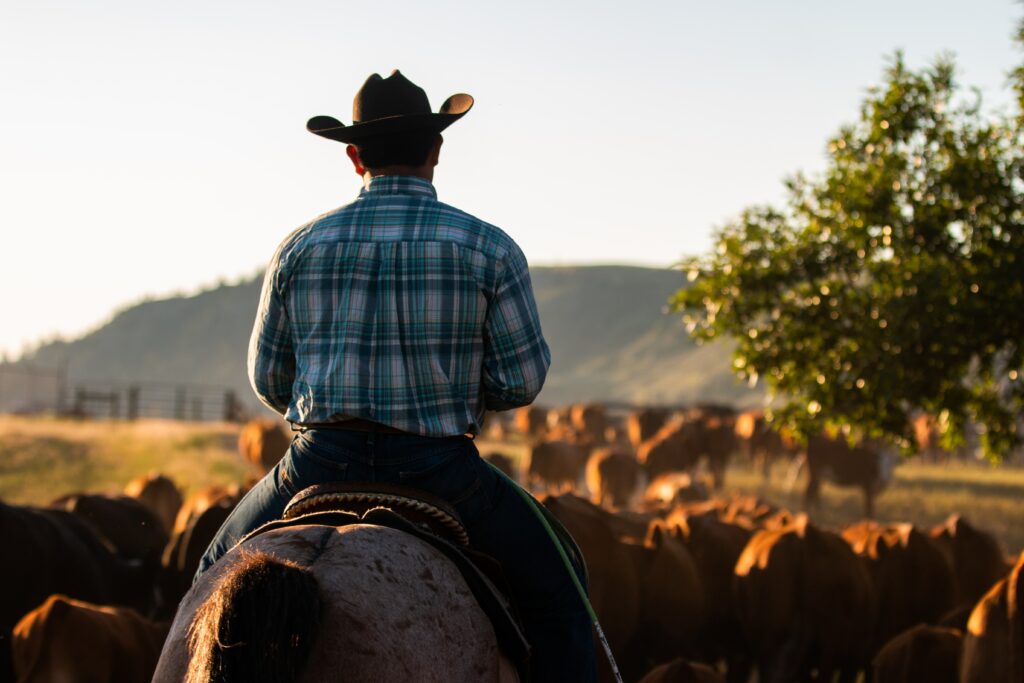
- Pancho as a term for a cowboy or rancher: In some Latin American countries, particularly in Mexico, “Pancho” has been used as a term to refer to a cowboy or rancher. Cowboys, who are known for their rugged and independent lifestyle, have been an important part of the cultural history of many Latin American countries, including Mexico. “Pancho” is sometimes used to refer to these cowboys or ranchers in a familiar or colloquial way. It can be used to describe someone who works with livestock, is skilled in horsemanship, or lives a rural lifestyle. In this context, “Pancho” can carry positive connotations of ruggedness, independence, and a connection to nature and rural life.
- Pancho as a term for a carefree or laid-back person: In some contexts, “Pancho” is used to describe a person who is carefree, easygoing, or laid-back. This usage is often associated with the idea of someone who is relaxed, carefree, and takes life as it comes. For example, if someone is described as “being a Pancho,” it may mean that they are easygoing and not easily bothered by stress or problems. This usage of “Pancho” is often informal and may be used to describe someone’s personality or behavior.
- Pancho as a term for a blanket or poncho: In some Latin American countries, particularly in Mexico, “Pancho” is used as a term for a type of blanket or poncho. A poncho is a garment that is made from a rectangular piece of fabric with a hole in the center for the head to pass through, and it is typically worn as an outer garment to protect against cold or rain. In this context, “Pancho” is used to refer to the garment itself and is not associated with any particular person or personality trait.
In conclusion, “Pancho” is a term that has various meanings and uses depending on the cultural, historical, and linguistic context in which it is used.
Who do they call pancho?