Termites are infamous for the damage they can cause to homes and other structures, particularly when they infest the walls of a building. One of the most common signs of a termite infestation is the appearance of termite holes in the walls. These small holes can be difficult to spot, but there are a few key characteristics that can help you identify them.
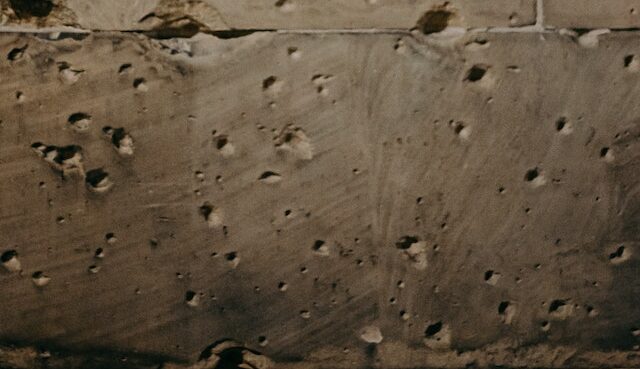
Termite holes in walls are usually small and circular, ranging in size from about 1/16 inch to 1/4 inch in diameter. They can be difficult to see with the naked eye, so it is important to look closely for any signs of damage. One of the easiest ways to spot termite holes is to look for sawdust or other debris around the area. Termites will often push out small bits of wood as they tunnel through the walls, leaving behind a telltale pile of sawdust or frass.
Another common sign of termite holes in walls is the appearance of mud tubes or tunnels. Termites will often build these tubes to provide protection as they move through the walls of a building. These tubes are typically made of mud and other materials, and can be seen running up the walls or along the edges of windows and doors.
If you suspect that you may have a termite infestation in your home, it is important to act quickly to prevent further damage. Termite damage can weaken the structural integrity of a building, leading to costly repairs and potential safety hazards. If you notice any signs of termite holes in your walls or other areas of your home, it is important to contact a professional pest control company as soon as possible.
In addition to termite holes and mud tubes, there are a few other signs that can help you identify a termite infestation. One of the most common signs is the appearance of winged termites, also known as swarmers. These termites are often seen flying around lights or windows, and can indicate that a colony is nearby.
Other signs of termite activity can include damaged or hollow-sounding wood, buckling floors or walls, and the appearance of small piles of wings or other debris around the home. It is important to remember that termite infestations can be difficult to detect, as these pests are often hidden within the walls and other hard-to-reach areas of a building.
In conclusion, termite holes in walls can be a sign of a serious infestation, and should be addressed as soon as possible to prevent further damage. These holes are typically small and circular, and may be accompanied by the appearance of mud tubes or sawdust around the area. If you suspect that you may have a termite infestation, it is important to contact a professional pest control company to assess the situation and provide effective treatment options.