A mint mark is a small letter or symbol that identifies the mint that produced a coin. Mint marks are usually found on the obverse (front) or reverse (back) of the coin, depending on the country and denomination. In the United States, for example, mint marks can be found on the reverse of coins, while in some other countries, mint marks are located on the obverse.
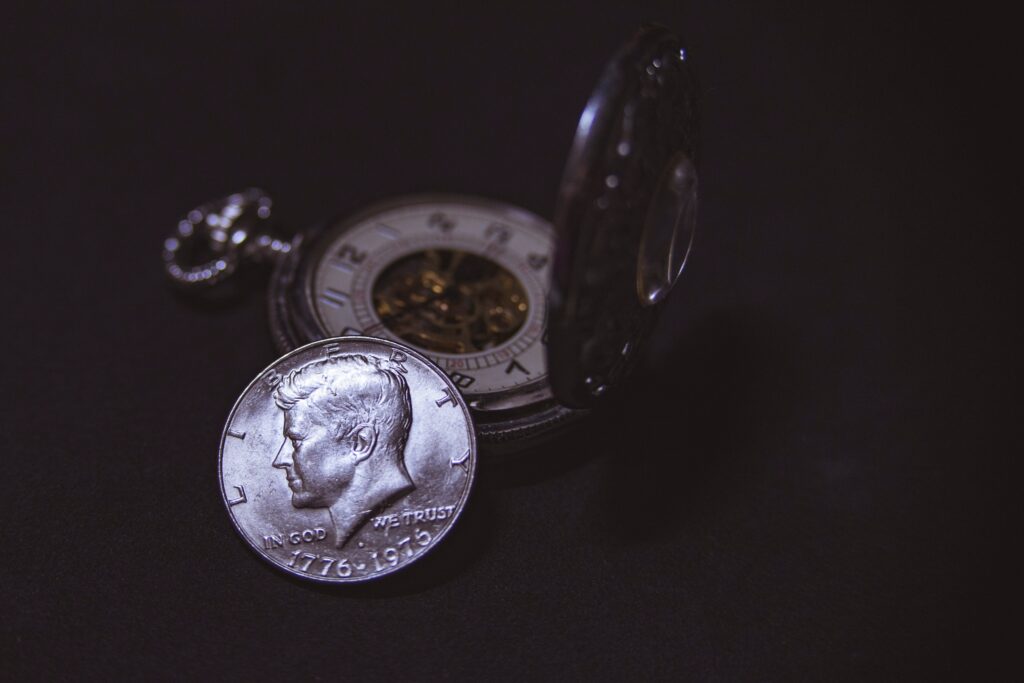
If a penny has no mint mark, it means that it was minted at the Philadelphia Mint, which is the only mint that does not place a mint mark on its coins. The Philadelphia Mint is one of four mints operated by the United States Mint, along with the Denver Mint, San Francisco Mint, and West Point Mint.
The absence of a mint mark on a penny can affect its value in some cases. Here are some examples:
- Lincoln Pennies – Lincoln pennies have been minted since 1909 and are one of the most popular and collected coins in the United States. Prior to 2017, all Lincoln pennies minted at the Philadelphia Mint did not have a mint mark. Starting in 2017, the Philadelphia Mint began adding a small “P” mint mark to the obverse of some Lincoln pennies to celebrate the 225th anniversary of the United States Mint.
- Wheat Pennies – Wheat pennies were minted from 1909 to 1958 and are a popular collectible item. During this time period, all pennies minted at the Philadelphia Mint did not have a mint mark. However, there are some rare cases where a penny from another mint may not have a mint mark due to a mistake or error.
- Indian Head Pennies – Indian Head pennies were minted from 1859 to 1909 and are also a popular collectible item. Prior to 1908, all Indian Head pennies minted at the Philadelphia Mint did not have a mint mark. In 1908, the mint began adding a small “S” mint mark to some Indian Head pennies to celebrate the 50th anniversary of the San Francisco Mint.
- Errors – In some cases, a penny may not have a mint mark due to an error or mistake during the minting process. These coins are called “no mint mark” or “missing mint mark” coins and can be valuable to collectors, depending on the rarity and condition of the coin.
In general, the value of a penny without a mint mark will depend on a variety of factors, such as the year of the coin, its condition, and its rarity. In some cases, a penny without a mint mark may be worth more than a penny with a mint mark, especially if it is a rare or unusual coin. However, in most cases, the value of a penny without a mint mark will not be significantly different from the value of a penny with a mint mark.