In a courtroom, a judge has the authority to make a number of decisions related to the proceedings, including ruling on objections and motions made by attorneys during trial. One common term that judges use to indicate their decision on an objection or motion is “sustained.” In this context, sustained means that the judge agrees with the objection or motion and has ruled in favor of the party who made it.
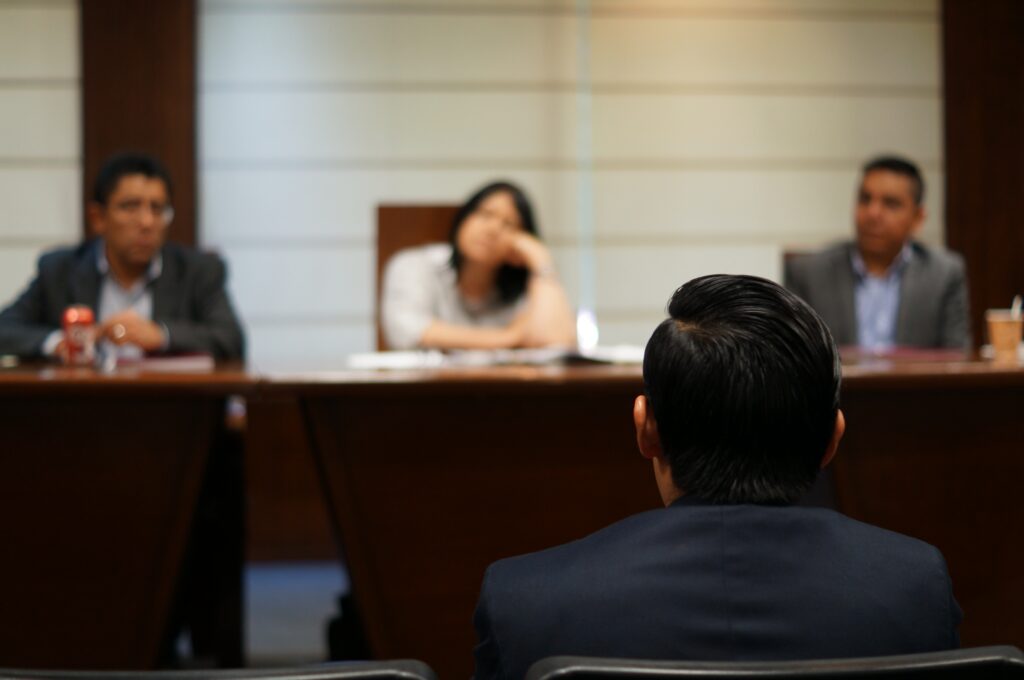
When an objection is made in court, it is typically done so to challenge the admissibility of evidence or testimony. For example, an attorney may object to a witness’s testimony on the grounds that it is hearsay or irrelevant to the case. If the judge sustains this objection, it means that they agree with the attorney’s argument and have ruled that the testimony should not be allowed.
Similarly, when a motion is made in court, it is typically done so to request a specific action or ruling from the judge. For example, an attorney may file a motion to dismiss the case on the grounds that the prosecution has not presented sufficient evidence to support the charges. If the judge sustains this motion, it means that they agree with the attorney’s argument and have ruled that the case should be dismissed.
It is important to note that when a judge sustains an objection or motion, it does not necessarily mean that the case is over or that the ruling is final. Depending on the circumstances, the opposing party may be able to present new evidence or arguments to counter the objection or motion. Additionally, the judge may choose to revisit their ruling later in the trial if new information comes to light.
In contrast to “sustained,” another common term that judges use to indicate their decision on an objection or motion is “overruled.” When a judge overrules an objection or motion, it means that they disagree with the attorney’s argument and have ruled against the party who made it. In this case, the evidence or testimony in question would be allowed to be presented or the requested action would not be taken.
In conclusion, when a judge says “sustained” in a courtroom, it means that they have agreed with an objection or motion made by an attorney and have ruled in favor of the party who made it. This decision indicates that the evidence or testimony in question will not be allowed or that the requested action will be taken. However, it is important to remember that this ruling is not necessarily final and may be revisited later in the trial.
It is worth noting that sustained objections or motions are typically made based on legal grounds, rather than on the basis of personal opinions or biases. Judges are expected to apply the law fairly and impartially, and their decisions should be based on legal precedent and relevant statutes.
In some cases, a judge may sustain an objection or motion because they believe that the evidence or testimony in question would be unfairly prejudicial or misleading to the jury. For example, if a witness’s testimony is hearsay and lacks credibility, the judge may sustain an objection to prevent the jury from being unduly influenced by unreliable information.
It is also worth noting that sustained objections or motions may be appealed by the opposing party. If an attorney disagrees with a judge’s ruling, they may file an appeal to a higher court, which will review the case and determine whether the judge’s decision was correct. Appeals courts have the authority to reverse or modify the lower court’s ruling if they find that it was not in accordance with the law or the facts of the case.
In conclusion, when a judge says “sustained” in a courtroom, it means that they have ruled in favor of an objection or motion made by an attorney based on legal grounds. This decision indicates that the evidence or testimony in question will not be allowed or that the requested action will be taken. However, it is important to remember that sustained objections or motions may be appealed by the opposing party and that the ruling is subject to review by higher courts. Ultimately, the goal of sustained objections or motions is to ensure that the trial is conducted fairly and that the legal process is followed correctly.