Scale rot, also known as necrotic dermatitis, is a common skin condition that affects reptiles, including bearded dragons. This condition is caused by bacterial or fungal infections that penetrate the skin and cause necrosis or tissue death. Scale rot is most commonly found in areas that are consistently damp, such as the belly, feet, and tail of bearded dragons. In this article, we will discuss the symptoms, causes, and treatment of scale rot in bearded dragons.
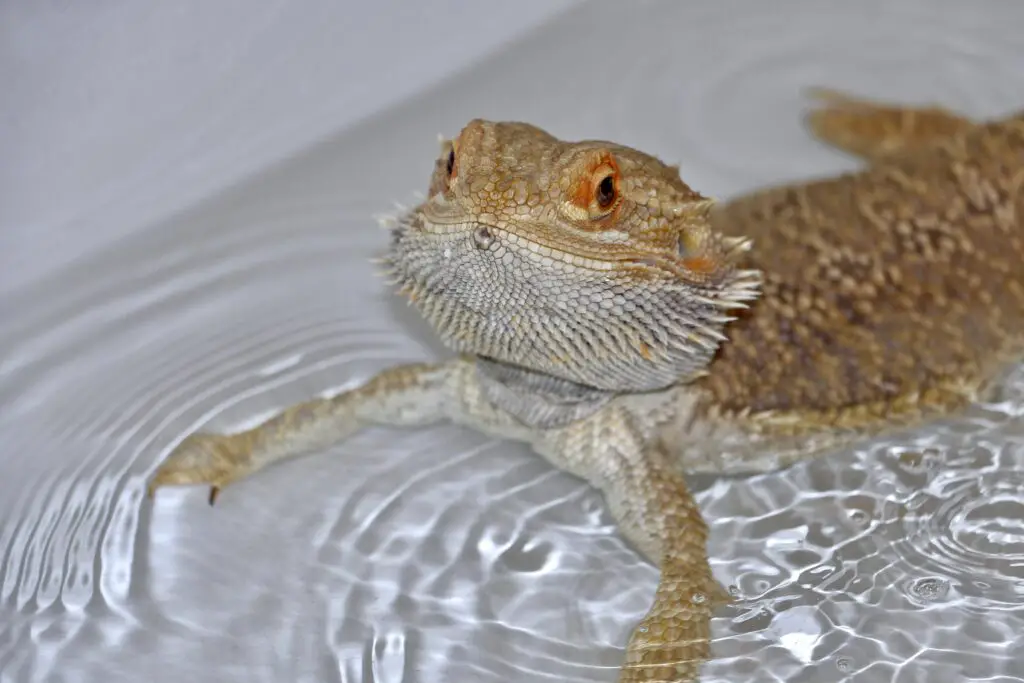
The early signs of scale rot can be subtle and easy to miss. The affected areas may appear darker or redder than the surrounding skin and may feel soft or mushy to the touch. As the condition progresses, the skin may start to develop blisters or ulcers, and the scales may start to lift or flake off. In severe cases, the skin may turn black or gray, and the bearded dragon may experience significant pain, discomfort, and even lethargy.
There are several factors that can contribute to the development of scale rot in bearded dragons. One of the most common causes is poor husbandry or environmental conditions. Bearded dragons require specific temperature, humidity, and lighting conditions to thrive, and failure to meet these requirements can weaken their immune system and make them more susceptible to bacterial or fungal infections. Overcrowding, poor hygiene, and lack of cleanliness can also contribute to the development of scale rot.
Another common cause of scale rot in bearded dragons is injuries or trauma to the skin. Scratches, bites, burns, or other injuries can create an opening in the skin that allows bacteria or fungi to enter and cause infection. Bearded dragons may also develop scale rot as a result of prolonged contact with damp or dirty substrates, such as wood chips, sand, or soil. These substrates can create a breeding ground for bacteria and fungi and increase the risk of infection.
If left untreated, scale rot can lead to serious health problems and even death in bearded dragons. Therefore, it is important to seek veterinary care as soon as you notice any signs or symptoms of the condition. Your veterinarian will conduct a thorough physical examination and may take a sample of the affected skin for culture and sensitivity testing. This will help to identify the specific bacteria or fungi causing the infection and determine the most effective treatment.
Treatment for scale rot in bearded dragons typically involves a combination of topical and oral medications. Topical treatments may include antiseptic or antibacterial ointments, such as silver sulfadiazine cream or chlorhexidine solution, to help kill the bacteria or fungi causing the infection. Oral medications may include antibiotics or antifungal medications, such as enrofloxacin or itraconazole, to help control the infection from the inside out.
In addition to medications, it is important to address any underlying husbandry or environmental issues that may have contributed to the development of scale rot. This may involve adjusting the temperature, humidity, and lighting conditions in the enclosure, switching to a different substrate, or improving hygiene and cleanliness practices.
Prevention is always better than cure, so it is important to take steps to prevent scale rot from occurring in the first place. This includes providing your bearded dragon with a clean and dry enclosure, using a substrate that is not overly damp or dirty, providing adequate heating and lighting, and maintaining proper hygiene and cleanliness practices. Regular checkups with a veterinarian can also help to identify any potential issues before they become serious problems.