Determining the grade of a 15-year-old can depend on several factors, such as the country they reside in, the education system in place, and the individual student’s progress. However, in most educational systems around the world, a 15-year-old would typically be in the 9th or 10th grade.
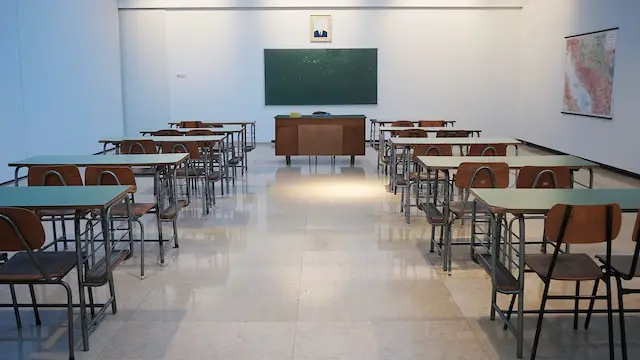
In the United States, for instance, students typically start kindergarten at the age of 5 or 6 and progress through 12 grades before graduating from high school. A 15-year-old in the US would usually be in the 9th or 10th grade, depending on their birthday and when they started school. The 9th grade is the first year of high school, while the 10th grade is the second year.
In other countries, the education system may have different structures, age cutoffs, and curriculum requirements. In the United Kingdom, a 15-year-old would typically be in Year 11, which is the last year of secondary school, whereas in Australia, a 15-year-old would typically be in Year 10, the second-last year of high school. It’s also important to note that there may be variations within countries, depending on the specific school or educational system.
Aside from age and grade placement, other factors can significantly impact a 15-year-old’s educational experience and progress. For example, their academic abilities and achievements, their social and emotional development, and any extracurricular activities or interests can all play a role in their overall educational journey. Additionally, the quality of the school and teachers, the resources and support available to students, and the overall educational system and policies can also have a profound impact on a 15-year-old’s education.
To fully understand a 15-year-old’s educational experience and progress, it’s crucial to consider the individual context and circumstances of the student. For instance, some students may be ahead or behind in their academic progress, requiring specialized attention and support. Social and emotional factors can also affect a student’s learning experience and may require additional support.
Furthermore, the quality of the school and teachers can play a significant role in a student’s academic growth. A school with a strong curriculum, experienced teachers, and ample resources can provide students with a well-rounded education and create opportunities for them to thrive. However, a poorly funded school or one with inexperienced teachers may not provide students with the same opportunities.
In conclusion, while most 15-year-olds are in the 9th or 10th grade in most educational systems around the world, it’s essential to consider the unique context and circumstances of each student to fully understand their educational experience and progress. A student’s academic abilities, social and emotional development, extracurricular activities, the quality of their school and teachers, and the overall educational system and policies can all play significant roles in their educational journey. By considering these factors, educators and parents can help students achieve their full potential and succeed in their academic pursuits.