As humans, we are social creatures, and our ability to connect with others is a critical component of our overall well-being. However, for some people, this may be more difficult than for others. A closed-off person is someone who may find it challenging to open up and share their thoughts and emotions with others, often coming across as distant or uninterested in social situations. This demeanor can be the result of past traumas, coping mechanisms to deal with insecurity or personality traits. Being a closed-off person can have significant implications for one’s mental and emotional well-being, as well as their ability to form and maintain healthy relationships with others.
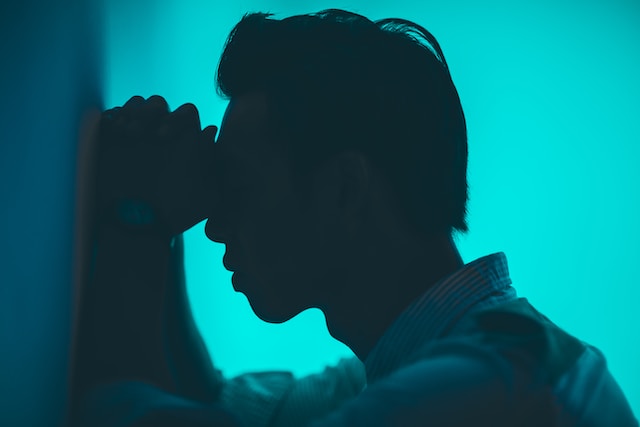
The reasons for being closed off are varied, and may stem from past negative experiences. For example, a person may have experienced rejection or betrayal in the past, leaving them feeling mistrustful of others. Alternatively, it may be a coping mechanism to deal with feelings of inadequacy or insecurity, where a person may feel that revealing too much about themselves would lead to harsh judgment or rejection. In some cases, being closed off may simply be part of a person’s natural temperament, with some individuals being naturally more introverted or shy.
Being closed off can have negative implications for one’s mental and emotional well-being, leading to feelings of loneliness and isolation. For example, a person who struggles to trust others may find it difficult to form meaningful connections with others, leading to feelings of loneliness and isolation. Similarly, a person who is unable to communicate their thoughts and feelings effectively may struggle with feelings of anxiety and depression, which can further compound their social difficulties.
In addition, being closed off can have negative implications for one’s relationships. If a person is unable to communicate openly and honestly with their partner, it can lead to misunderstandings and conflict. Similarly, if a person is unable to share their thoughts and feelings with friends and family, they may struggle to develop and maintain close relationships with those around them.
If you are a closed-off person, there are several steps you can take to try to open up and connect with others more deeply. One of the first things to do is to practice self-awareness, taking some time to reflect on why you might be closed off. This will help you better understand the root of the issue and develop strategies to address it.
Another helpful strategy is to build trust slowly, especially if trust issues are at the root of your closed-off demeanor. Start by sharing a little bit about yourself with someone you feel comfortable with, and gradually work your way up to more meaningful conversations. Additionally, learning to communicate effectively is an essential part of breaking down barriers to intimacy. Seeking out resources to help you develop better communication skills, such as reading books or articles, taking a communication course, or working with a therapist, can be an excellent way to get started.
Finally, it’s essential to take care of yourself if being closed off is a coping mechanism. Finding healthier ways to manage your emotions can include practicing self-care activities like exercise, meditation, or spending time in nature. If necessary, seeking out professional support to help you work through any underlying issues can also be helpful.
In conclusion, being a closed-off person can be a challenging experience, both for the individual themselves and for those around them. However, it is possible to overcome this challenge by taking steps to address the issue and develop more meaningful connections with others. By practicing self-awareness, building trust slowly, learning to communicate effectively, and taking care of yourself, you can begin to break down the barriers to intimacy and build stronger, healthier relationships with others.