Michael Jackson was an extraordinary artist known for his music, dance, and distinctive high-pitched speaking voice. There are several possible factors that may have contributed to Jackson’s unique vocal tone.
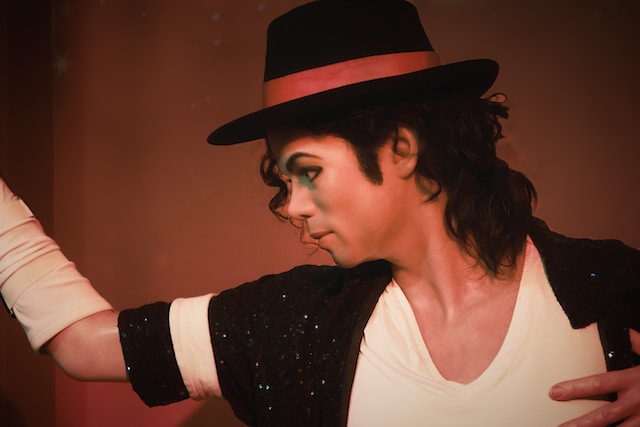
One possible explanation is related to his physiology. Studies have shown that men with higher levels of testosterone tend to have deeper voices, while those with lower levels of testosterone tend to have higher voices. Jackson’s high-pitched voice may have been due to naturally lower levels of testosterone. Additionally, some individuals have shorter vocal cords, which can also result in a higher-pitched voice.
Another factor that may have influenced Jackson’s vocal tone is his upbringing. Growing up as the youngest member of the Jackson family, Michael was surrounded by older siblings who likely spoke in deeper voices. It’s possible that Jackson’s high-pitched voice was a way for him to distinguish himself from his siblings and establish his own identity. Furthermore, the Jackson family was known for their musical talents and performances, and Michael may have adopted a high-pitched speaking voice as part of his artistic expression.
Michael Jackson’s frequent use of falsetto in his music, particularly in songs like “Rock With You” and “Billie Jean,” is another possible factor that may have influenced his speaking voice. Falsetto is a vocal technique where singers use their upper range to produce a high-pitched, breathy sound. It’s possible that Jackson’s extensive use of falsetto in his singing may have influenced the development of his speaking voice, leading to a higher-pitched tone.
In addition, Jackson’s high-pitched voice may have been a deliberate attempt to challenge traditional gender norms and expectations. In many cultures, high-pitched voices are associated with femininity or youthfulness. Jackson was known for his androgynous appearance, and his high-pitched voice may have contributed to his overall image as a gender-bending artist.
Furthermore, Jackson’s speaking voice changed over time. In the early years of his career, Jackson’s voice was relatively high-pitched, but as he got older, his voice became deeper and more resonant. This change in voice may have been influenced by several factors, including aging, changes in his vocal cords, and deliberate efforts to alter his speaking voice.
Despite the many possible factors that may have influenced Jackson’s vocal tone, there is no definitive answer to this question. Jackson’s voice was unique and complex, and it played an important role in his overall artistic expression. It’s also worth noting that Jackson’s high-pitched voice was not limited to his speaking voice alone. He often used high-pitched tones in his music, particularly in his early works with The Jackson 5, as well as in his solo career.
In conclusion, Michael Jackson’s high-pitched speaking voice was likely influenced by a combination of factors, including his physiology, upbringing, artistic expression, and cultural context. His voice was an integral part of his identity as an artist and helped to establish his unique sound and style. Despite his passing in 2009, Jackson’s legacy as a musician and cultural icon continues to live on, and his unique voice remains a cherished and celebrated part of his musical legacy.