Taciturnity is a trait that describes an individual’s tendency to be reserved and uncommunicative in speech. The term is derived from the Latin word “taciturnus,” which means silent or uncommunicative. Taciturnity is often associated with introversion or shyness, but it can also be a deliberate choice to maintain privacy or avoid revealing too much about oneself.
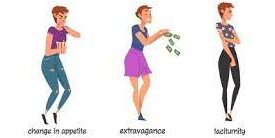
People who are taciturn tend to speak very sparingly and give brief and succinct responses. They may be disinclined to engage in conversation or prefer to listen rather than speak. When they do speak, their words are often carefully chosen and to the point. They may also use nonverbal communication, such as facial expressions or body language, to convey their thoughts and feelings.
Taciturnity is often seen as a negative trait in social situations. In cultures where conversation and social interaction are highly valued, a taciturn person may be seen as aloof, unfriendly, or uninterested in others. However, in other cultures, being quiet and reserved is viewed as a sign of respect, humility, or wisdom.
There are several reasons why someone might be taciturn. One common explanation is that they are introverted or shy. Introverts tend to prefer solitude and quiet activities over socializing and may feel drained or overwhelmed by too much social interaction. Shy people, on the other hand, may be anxious or self-conscious in social situations and have difficulty initiating or maintaining conversations.
Another reason why someone might be taciturn is that they are trying to maintain privacy or avoid revealing too much about themselves. Some people are naturally private and prefer to keep their thoughts and feelings to themselves. Others may have had negative experiences in the past, such as being judged or criticized for their opinions, and have learned to be cautious about what they say.
Despite the potential drawbacks of taciturnity, there are also some benefits to being a quiet and reserved person. For example, taciturn people are often good listeners and may be able to pick up on subtle cues that others miss. They may also be better able to concentrate on tasks and projects that require focus and attention to detail.
In some professions, taciturnity can be an asset. For example, people in law enforcement or intelligence work may need to be cautious about what they say in order to protect sensitive information or avoid tipping off suspects. Similarly, people in creative fields such as writing or art may need quiet and solitude in order to generate new ideas and inspiration.
If you are a taciturn person and would like to become more comfortable with socializing and conversation, there are some steps you can take to improve your communication skills. One approach is to practice active listening, which involves paying close attention to what others are saying and asking clarifying questions to show that you are engaged in the conversation. Another approach is to practice small talk, which involves making casual conversation about noncontroversial topics such as the weather or current events.
In conclusion, taciturnity is a trait that describes an individual’s tendency to be reserved and uncommunicative in speech. It can be caused by introversion, shyness, a desire for privacy, or a need to protect sensitive information. While taciturnity can be seen as a negative trait in some cultures, it can also be viewed as a sign of respect, humility, or wisdom. If you are a taciturn person and would like to become more comfortable with socializing and conversation, there are steps you can take to improve your communication skills.