The term “emo” is a subculture that emerged in the early 2000s as a genre of music that was characterized by its emotional lyrics, and its fashion style, which was heavily influenced by punk, goth, and indie fashion. While it may be difficult to generalize the characteristics of all people who identify as “emo,” there are some common traits and attitudes that are often associated with the subculture.
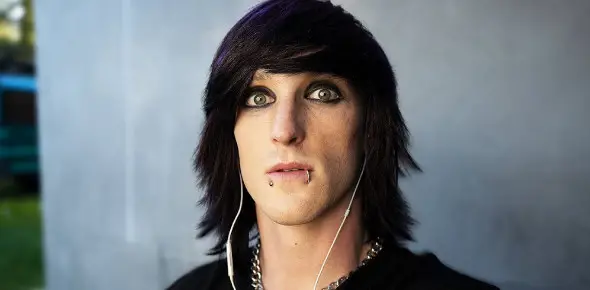
Emos are often seen as individuals who are introspective, sensitive, and emotionally expressive. They tend to be highly attuned to their own feelings and the emotions of others, and they may be drawn to artistic pursuits such as music, poetry, or writing as a means of processing and expressing their emotions.
In terms of fashion, emos often sport a distinctive look that includes dark, tight-fitting clothing, black eyeliner, and dyed hair that is often styled in a choppy, layered fashion. This style is often associated with a sense of rebellion against mainstream norms, and many emos may feel alienated or marginalized by society due to their unconventional appearance or interests.
While emos may share certain characteristics, it is important to note that they are not a monolithic group, and individuals who identify as emo may have a wide range of backgrounds, interests, and personalities. Some may be outgoing and sociable, while others may be more introverted or reserved. Some may be involved in activism or social justice causes, while others may focus more on creative pursuits or personal expression.
One common stereotype of emos is that they are overly emotional or dramatic. While it is true that emos may be more in touch with their feelings than others, this does not necessarily mean that they are unable to cope with difficult situations or that they are prone to histrionics. In fact, many emos may use their emotional intelligence and sensitivity to help others or to engage in positive forms of self-expression.
Another stereotype of emos is that they are all depressed or self-harming. While it is true that some emos may struggle with mental health issues, it is important to remember that mental health concerns are not exclusive to any one subculture or group. It is also important to note that self-harm is a serious issue that should be taken seriously, and it should not be trivialized or romanticized.
Emos may also be stereotyped as being antisocial or detached from society. While some emos may feel disillusioned with mainstream culture or may struggle to connect with others who do not share their interests or values, this does not necessarily mean that they are unwilling or unable to form meaningful connections with others. Many emos may find community and support among other members of the subculture and may use online forums or social media to connect with like-minded individuals.
In conclusion, while it may be difficult to generalize the characteristics of all people who identify as “emo,” there are some common traits and attitudes that are often associated with the subculture. Emos are often introspective, sensitive, and emotionally expressive, and may be drawn to artistic pursuits as a means of processing and expressing their emotions. While emos may share certain characteristics, it is important to remember that they are not a monolithic group, and individuals who identify as emo may have a wide range of backgrounds, interests, and personalities. It is also important to avoid stereotypes and to approach all individuals with empathy and respect, regardless of their appearance or interests.