There are several species of snakes that are known to “play dead” when threatened or touched by a predator, including humans. This behavior is known as thanatosis or “playing possum,” and it involves the snake going completely limp and motionless, often with its tongue hanging out of its mouth.
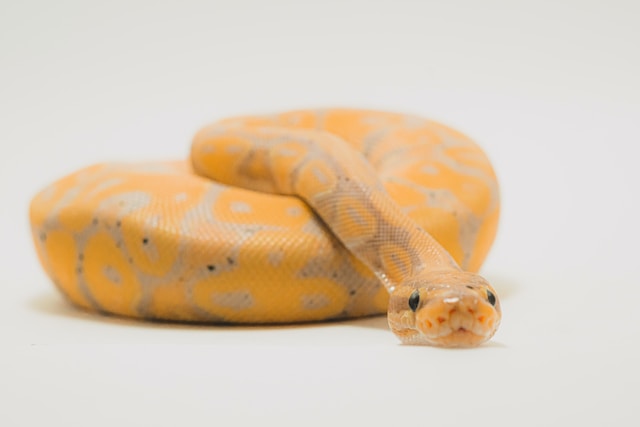
One of the most well-known snake species that exhibit this behavior is the hognose snake (Heterodon spp.), which is native to North America. These snakes are famous for their dramatic death act, which includes writhing in pain, vomiting, and emitting a foul-smelling musk. They will even roll onto their backs and play dead, with their mouth agape and tongue hanging out.
Hognose snakes are not venomous and are harmless to humans. They are mainly active during the day and feed on small animals such as frogs, toads, and rodents. When threatened, hognose snakes will usually hiss loudly and flatten their necks, making themselves look bigger to deter predators. If this fails, they will resort to their thanatosis strategy.
Another snake that plays dead is the black-necked spitting cobra (Naja nigricollis), which is found in Africa. This venomous snake is known for its ability to spit venom accurately up to 10 feet away, but it also has a trick up its sleeve when it comes to avoiding predators. When threatened, the black-necked spitting cobra will roll onto its back and open its mouth, feigning death.
The behavior of playing dead in snakes is not limited to just these two species, however. Some other snake species that exhibit this behavior include the eastern indigo snake (Drymarchon couperi), the western ribbon snake (Thamnophis proximus), and the common garter snake (Thamnophis sirtalis).
The exact reasons why these snakes “play dead” are not well understood, but it is believed to be a defense mechanism against predators. By appearing dead, the snake may be able to convince a predator to leave it alone or at least let its guard down, giving the snake an opportunity to escape. This behavior is also thought to be a last-ditch effort to avoid being attacked, as it is a risky strategy that may not always work.
In addition to thanatosis, some snakes use other tactics to avoid predators. For example, the copperhead snake (Agkistrodon contortrix) is known for its ability to blend in with its surroundings, making it difficult to spot. The coral snake (Micrurus spp.) has bright, warning colors to alert predators to its venomous nature.
Overall, the behavior of playing dead in snakes is an interesting and sometimes dramatic defense mechanism that can help them avoid being attacked by predators. While it is not fully understood why some snakes use this strategy, it is clear that it can be an effective way to stay safe in the wild.