When it comes to managing potassium intake, it’s important to choose foods that are low in potassium. While meats are often a good source of protein, many types of meat are relatively high in potassium. However, there are some types of meat that are lower in potassium than others. In this article, we’ll explore which meats are lowest in potassium and why.
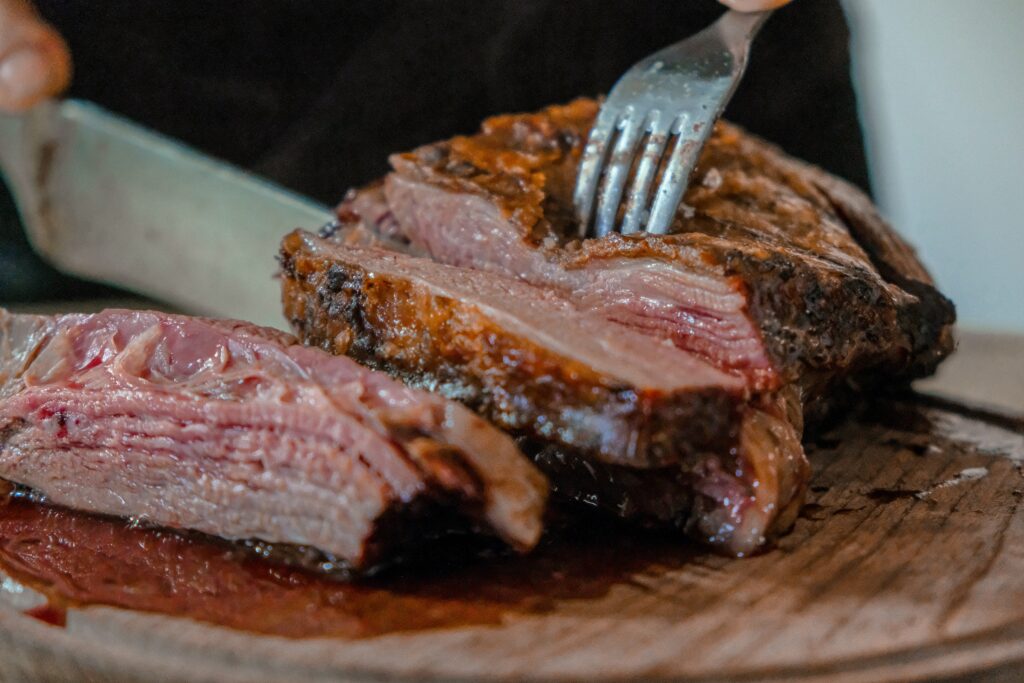
First, it’s important to note that all meats contain some level of potassium. This is because potassium is an essential mineral that is found in many types of food, including meat. However, the amount of potassium in meat can vary depending on several factors, including the type of meat, how it’s cooked, and whether it’s processed or not.
When it comes to choosing meats that are lower in potassium, it’s generally a good idea to stick with lean cuts of meat. This is because potassium is found in higher concentrations in fatty tissues, so lean cuts of meat tend to have lower levels of potassium. Some examples of lean meats include chicken breast, turkey breast, pork tenderloin, and fish.
In terms of specific types of meat, some of the lowest-potassium options include:
- Chicken breast: Chicken breast is a great option for people looking for a low-potassium meat. A 3-ounce serving of skinless, boneless chicken breast contains around 170 milligrams of potassium.
- Turkey breast: Like chicken breast, turkey breast is a lean meat that is relatively low in potassium. A 3-ounce serving of skinless, boneless turkey breast contains around 200 milligrams of potassium.
- Pork tenderloin: Pork tenderloin is a lean cut of pork that is lower in potassium than other types of pork. A 3-ounce serving of cooked pork tenderloin contains around 280 milligrams of potassium.
- Fish: Many types of fish are relatively low in potassium. For example, a 3-ounce serving of cooked salmon contains around 240 milligrams of potassium, while a 3-ounce serving of cooked tilapia contains around 130 milligrams of potassium.
It’s also important to note that the way you cook your meat can affect its potassium content. For example, boiling meat can remove some of the potassium, while grilling or roasting it can actually increase its potassium content. In general, it’s best to choose cooking methods that don’t add salt or other high-potassium ingredients to your meat.
If you’re trying to manage your potassium intake, it’s important to work with a healthcare provider or dietitian to develop a personalized plan that meets your individual needs. They can help you determine how much potassium you should be getting each day and which foods are best for your diet.