The loudest animal in the world is the blue whale, which can produce vocalizations that reach up to 188 decibels. To put this into perspective, a jet engine at takeoff produces about 140 decibels, and permanent hearing damage can occur at around 130 decibels.
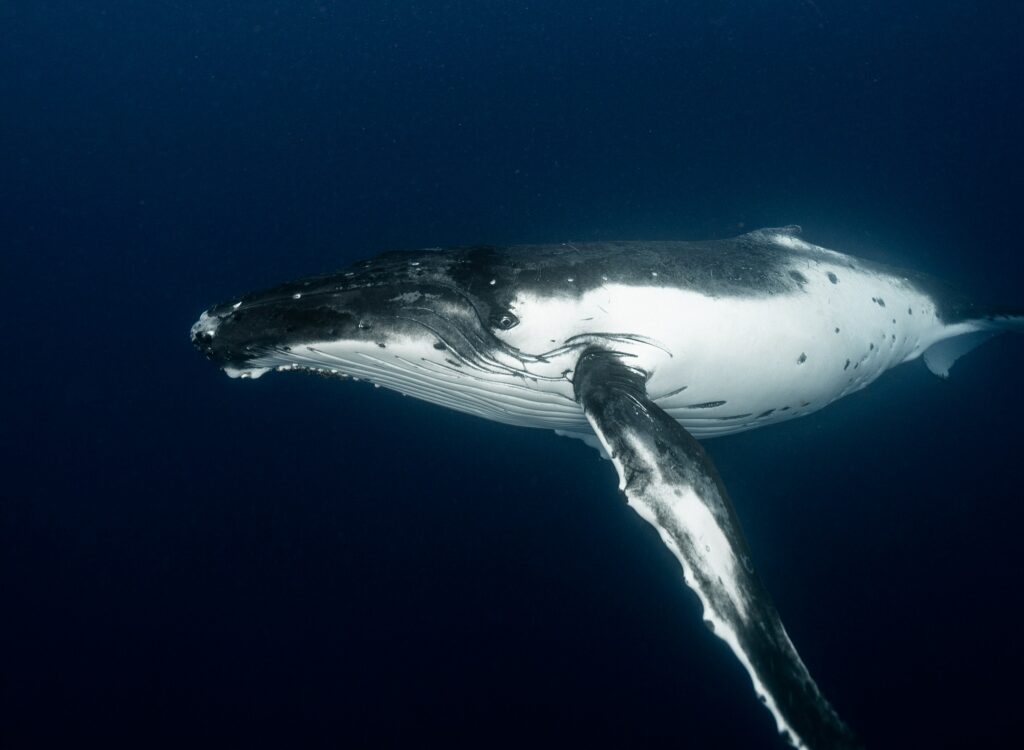
Blue whales are the largest animals on earth and can grow up to 100 feet in length and weigh over 200,000 pounds. They are found in all of the world’s oceans and can communicate with each other using low-frequency sounds that can travel hundreds of miles through the water.
The vocalizations that blue whales produce are called “songs,” and they are used primarily for communication between individuals. These songs can last for up to 30 minutes and consist of a series of moans, groans, and pulses. The frequency of these sounds is typically between 10 and 40 Hz, which is too low for humans to hear.
Scientists are still studying the exact purpose of blue whale songs, but they believe that they are used for communication during mating, migration, and feeding. Blue whales are known to travel long distances during migration, and their songs may help them to communicate with other whales along the way. The songs may also help to establish territories and attract potential mates.
While blue whales are the loudest animals in the world, they are not the only animals that produce loud sounds. Other animals that are known for their loud vocalizations include:
- Howler monkeys: Howler monkeys are found in the forests of Central and South America and are known for their loud, guttural howls that can carry for up to three miles.
- African elephants: African elephants produce low-frequency rumbles that can travel for several miles through the ground. These vocalizations are used for communication between individuals and may also help to detect predators.
- Lion’s roar: Lions are the only cats that are known to roar, and their vocalizations can be heard from up to five miles away.
- Pistol shrimp: While not technically a vocalization, the snapping sound produced by pistol shrimp is one of the loudest sounds in the ocean. When the shrimp snaps its claw shut, it produces a cavitation bubble that can reach temperatures of over 5,000 degrees Celsius and produce a sound that can stun or kill its prey.
- Kakapo parrot: The Kakapo parrot is a flightless parrot found in New Zealand that produces a deep, resonant “booming” sound that can be heard up to half a mile away. The birds use this sound to attract mates and establish territories.
In conclusion, while the blue whale is the loudest animal in the world, there are many other animals that are known for their loud vocalizations. These sounds are used for communication, mating, establishing territories, and detecting predators. Understanding the vocalizations of these animals can provide insight into their behavior and help us to better protect them in their natural habitats.