A blood pressure reading of 160 over 100 mmHg is considered high and requires prompt attention to prevent potential long-term health complications. If you have a reading of 160/100 mmHg or higher, it is important to take action to lower your blood pressure.
Here are some steps you can take:
- Contact your doctor: The first step you should take is to contact your doctor or healthcare provider. They will be able to determine the cause of your high blood pressure and provide you with personalized treatment options. Your doctor may recommend lifestyle changes, medication, or a combination of both.
- Make lifestyle changes: Lifestyle changes can help lower your blood pressure and prevent the development of high blood pressure in the future. These changes include:
- Eating a healthy diet: This means eating a diet rich in fruits, vegetables, whole grains, lean protein, and low-fat dairy products, while avoiding high-sodium, high-fat, and high-cholesterol foods.
- Engaging in regular physical activity: Regular physical activity can help lower your blood pressure by improving your overall cardiovascular health. Aim for at least 150 minutes of moderate-intensity aerobic exercise per week, such as brisk walking, cycling, or swimming.
- Reducing stress: Stress can increase your blood pressure, so it is important to find ways to manage stress in your life. This may include meditation, deep breathing exercises, yoga, or other relaxation techniques.
- Quitting smoking: Smoking can increase your blood pressure and put you at risk for heart disease and stroke. If you smoke, quitting is one of the most important things you can do to improve your health.
- Limiting alcohol intake: Drinking too much alcohol can raise your blood pressure and put you at risk for heart disease and other health problems. If you choose to drink alcohol, do so in moderation, which is defined as up to one drink per day for women and up to two drinks per day for men.
- Take medication as prescribed: Your doctor may prescribe medication to help lower your blood pressure. It is important to take these medications as prescribed and to follow up with your doctor regularly to monitor your blood pressure and adjust your medication as needed.
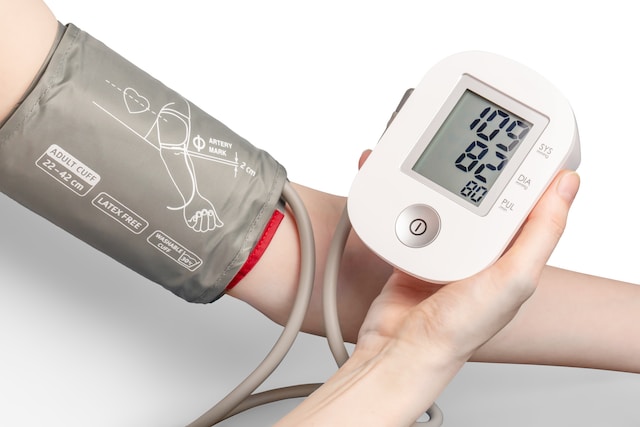
- Monitor your blood pressure at home: If you have been diagnosed with high blood pressure, your doctor may recommend that you monitor your blood pressure at home. This can help you track your progress and identify any changes that may require additional treatment.
- Stay informed: Educate yourself about high blood pressure and its potential complications. Stay up to date on the latest research and recommendations, and don’t be afraid to ask your doctor questions or seek additional information.
In conclusion, if your blood pressure is 160 over 100 mmHg or higher, it is important to take action to lower your blood pressure and prevent potential long-term health complications. Contact your doctor or healthcare provider, make lifestyle changes, take medication as prescribed, monitor your blood pressure at home, and stay informed about high blood pressure and its potential complications.
What should I do if my blood pressure is 160 over 100?