The Yellowstone National Park, located primarily in the state of Wyoming, is known for its geothermal features such as geysers, hot springs, and mud pots. However, beneath this stunning landscape lies a dormant supervolcano that has the potential to cause a cataclysmic eruption with far-reaching consequences. The last eruption of the Yellowstone supervolcano occurred approximately 640,000 years ago, and while the probability of an eruption in the near future is low, the impact would be devastating. In the event of a Yellowstone eruption, several states in the United States would be affected, including Wyoming, Montana, Idaho, and parts of surrounding states.
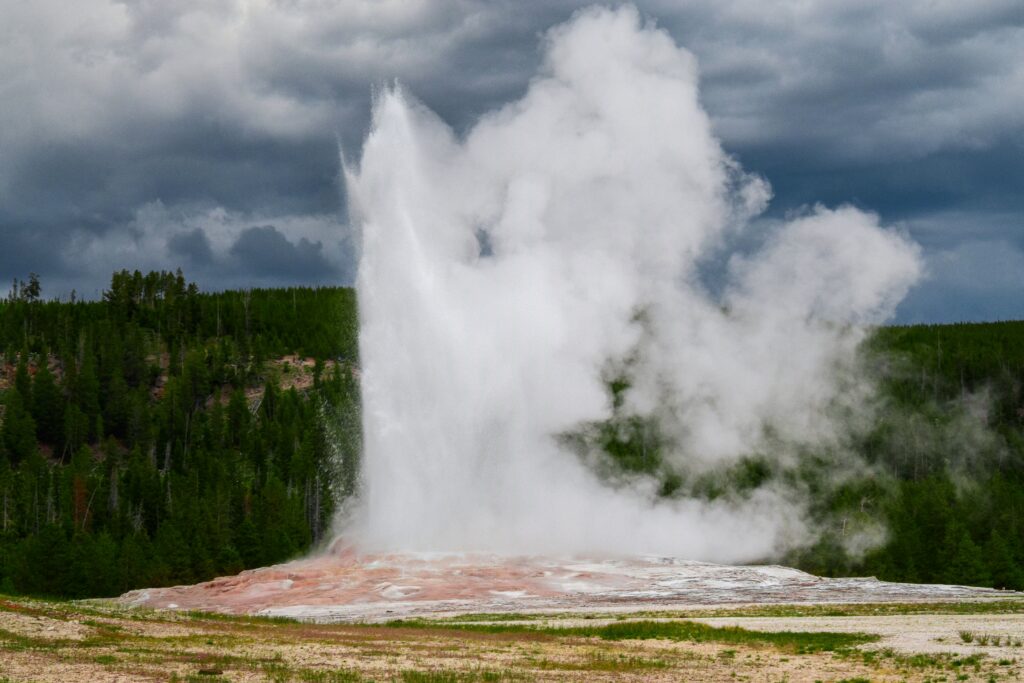
Wyoming, being the location of the Yellowstone National Park, would undoubtedly be the most severely affected state in the event of an eruption. The eruption would likely be accompanied by a massive explosion and the release of a vast amount of ash, lava, and toxic gases into the atmosphere. The park and its surrounding areas would likely be devastated, with the immediate impact zone experiencing complete destruction. This would include areas such as Old Faithful, a famous geyser that draws millions of tourists each year, as well as other popular tourist destinations within the park.
Montana, located immediately to the north of Yellowstone National Park, would also be heavily impacted by an eruption. The ashfall from the eruption could blanket the state, causing widespread damage to infrastructure, buildings, and agriculture. The ash could also disrupt transportation and communication systems, making it challenging to respond to the disaster and provide assistance to affected areas. Additionally, the eruption could trigger massive landslides and mudflows, further exacerbating the damage and endangering local communities.
Idaho, located to the west of Yellowstone National Park, would also likely be affected by an eruption. The prevailing winds would carry ash and toxic gases from the eruption towards Idaho, resulting in ashfall and potential damage to infrastructure and agriculture. The effects would depend on the scale of the eruption and prevailing wind patterns, but even relatively minor eruptions could result in significant impacts to the state.
Parts of surrounding states, such as Colorado, Utah, Nevada, and even parts of Canada, could also be affected by a Yellowstone eruption. The ash and gases released during the eruption could be carried by prevailing winds and distributed over long distances, resulting in ashfall, reduced air quality, and potential impacts on agriculture, infrastructure, and transportation. The magnitude of the impacts would depend on the scale of the eruption and prevailing wind patterns at the time.
In addition to the immediate physical impacts, a Yellowstone eruption would also have far-reaching socio-economic and environmental consequences. The tourism industry in the region would likely be severely impacted, as Yellowstone National Park is a major tourist destination, generating billions of dollars in revenue each year. The destruction of infrastructure, such as roads, bridges, and buildings, would also result in significant economic losses and long-term recovery efforts.
The agricultural sector in the affected states would also be severely impacted. Ashfall can damage crops, disrupt irrigation systems, and contaminate water sources, leading to crop failures and livestock losses. The resulting economic losses would not only affect local farmers and ranchers but also disrupt the food supply chain, potentially leading to food shortages and price increases in other parts of the country.
Furthermore, the release of massive amounts of ash and gases into the atmosphere could have global environmental consequences. The ash could block sunlight, leading to a drop in global temperatures and potentially disrupting climate patterns. The gases released during the eruption, such as sulfur dioxide, could also combine with water vapor in the atmosphere to form sulfuric acid, resulting in acid rain that could damage ecosystems, harm crops, and pollute water sources.
In conclusion, a Yellowstone eruption would have severe and far-reaching impacts on multiple states in the United States. Wyoming, Montana, Idaho,