The question of whether or not police officers can have beards is a common one, and there are a variety of reasons why some police departments have policies prohibiting facial hair. While these policies vary from one department to another, there are some common factors that tend to play a role in these decisions.
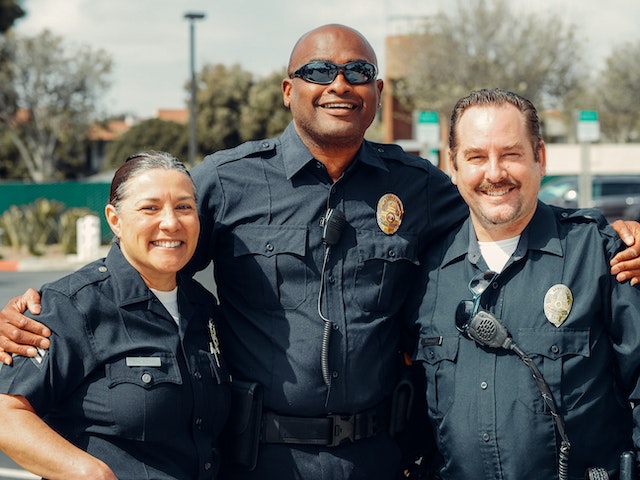
One of the primary reasons why police departments may prohibit officers from having beards is that it can interfere with the proper fit of a gas mask. In situations where officers may need to use gas masks, having facial hair can interfere with the effectiveness of the mask, potentially putting the officer and others in danger. This concern is especially relevant in situations where tear gas or other chemical agents are being used, as these substances can cause significant harm if inhaled.
In addition to the safety concerns related to gas masks, some departments may have concerns about the professional appearance of officers. Facial hair can be seen as unprofessional or unkempt in some contexts, and may not be appropriate for officers who need to maintain a certain level of decorum or authority. This is particularly true in contexts where officers may interact with the public, as the public may perceive officers with beards as less trustworthy or less professional.
Another factor that can contribute to policies prohibiting facial hair is the need for officers to be easily recognizable. In situations where officers may need to pursue suspects or engage in other activities where quick identification is necessary, facial hair can make it more difficult for witnesses to identify the officer in question. This can be particularly important in situations where there are multiple officers on the scene, as facial hair can make it more difficult to differentiate between them.
Some departments may also have concerns about officers who have beards that are styled in a particular way, such as a goatee or mutton chops. These types of facial hair can be seen as unprofessional or distracting, and may not be appropriate for officers who need to maintain a certain level of professionalism or authority. In some cases, officers may be allowed to have mustaches or neatly trimmed beards, but other types of facial hair may be prohibited.
Finally, it’s worth noting that the issue of facial hair policies for police officers is somewhat controversial. Some officers may feel that these policies are unfair or unnecessary, while others may see them as a necessary part of the job. Ultimately, the decision about whether or not to allow officers to have beards is up to each individual department, and may depend on a variety of factors including safety concerns, professional appearance, and the need for quick identification.
In conclusion, the issue of whether or not police officers can have beards is a complex one, and there are a variety of factors that can contribute to policies prohibiting facial hair. While these policies may vary from one department to another, they are often driven by concerns related to safety, professionalism, and quick identification. While some officers may feel that these policies are unnecessary or unfair, others may see them as a necessary part of the job. Ultimately, it is up to each individual department to determine whether or not to allow officers to have beards, and this decision may depend on a variety of factors specific to that department’s needs and priorities.