The color of our eyes is determined by the amount and distribution of melanin, the pigment responsible for the coloration of our skin, hair, and eyes. Brown eyes are the result of a higher concentration of melanin in the front layer of the iris, known as the stroma, which absorbs more light and reflects less. However, over time, due to various factors such as genetics, age, and environmental influences, brown eyes can appear lighter. In this article, we will explore the reasons why brown eyes can get lighter.
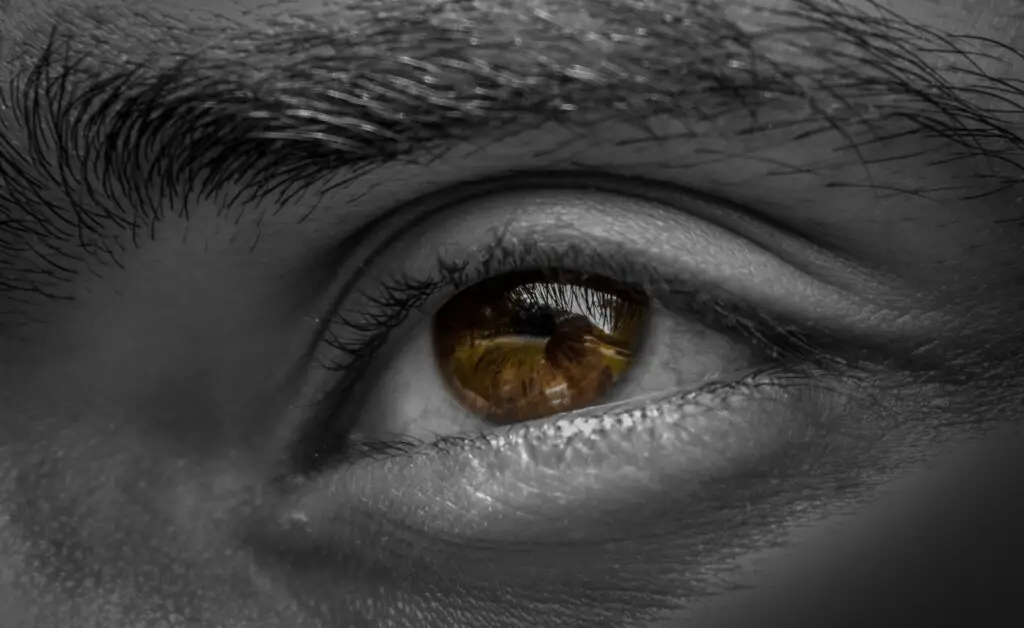
Genetics: One of the primary factors influencing the color of our eyes is genetics. Eye color is determined by multiple genes inherited from our parents. The specific combination of these genes determines the amount and type of melanin present in the iris. If both parents have brown eyes, it is more likely that their children will also have brown eyes. However, it is possible for the child to inherit genes that result in a lighter eye color, such as blue or green. This can happen if the parents carry genes for lighter eye colors and pass them on to their child. Therefore, genetic factors play a crucial role in determining the color of our eyes, including whether brown eyes may become lighter over time.
Age: Another factor that can cause brown eyes to lighten is age. As we grow older, the amount of melanin in our iris can decrease, leading to a lighter appearance of the eyes. This is due to a gradual decrease in the activity of melanocytes, the cells responsible for producing melanin. Over time, these cells may become less efficient in producing melanin, resulting in a reduction of melanin content in the iris. As a result, brown eyes may appear lighter as we age.
Sun Exposure: Exposure to sunlight can also impact the color of our eyes. The ultraviolet (UV) radiation from the sun can damage the melanocytes in the iris, leading to a reduction in melanin production. This can cause the eyes to appear lighter over time. People with lighter eye colors, including brown eyes, may be more susceptible to the effects of sun exposure on eye color change. Therefore, prolonged and unprotected exposure to sunlight can potentially lighten the color of brown eyes.
Medical Conditions: Certain medical conditions can also cause brown eyes to appear lighter. For example, a condition called Waardenburg syndrome, which is a rare genetic disorder, can affect the color of the eyes. People with Waardenburg syndrome may have unusually light-colored eyes, including brown eyes, due to a reduction in melanin production. Additionally, diseases that affect the iris, such as Fuch’s heterochromic iridocyclitis, can also cause a change in eye color. Inflammation in the iris can disrupt the normal functioning of melanocytes, leading to a lighter appearance of the eyes.
Eye Trauma: Eye trauma, such as injury or surgery, can also potentially affect the color of the eyes. In some cases, trauma to the iris can disrupt the normal production and distribution of melanin, resulting in a change in eye color. This can occur in people with brown eyes as well, causing them to appear lighter after an eye injury or surgery.
Contact Lens Wear: Wearing colored contact lenses can also temporarily change the appearance of the eyes, including the color. Colored contact lenses can cover the natural color of the iris, giving the illusion of lighter or different colored eyes. This is a temporary change and can be reversed by removing the contact lenses.
Overall, the color of our eyes, including brown eyes, can change due to various factors such as genetics, age, sun exposure, medical conditions, eye trauma, and contact lens wear. While brown eyes are typically associated with a higher concentration of melanin in the iris, which results in their dark coloration, changes in melanin production