Scars are a natural part of the body’s healing process after an injury, surgery, or other trauma to the skin. They form as a result of the body’s attempt to repair and close a wound, and they can vary in appearance, texture, and sensitivity. It is not uncommon for old scars to itch years later, and there are several potential reasons for this phenomenon.
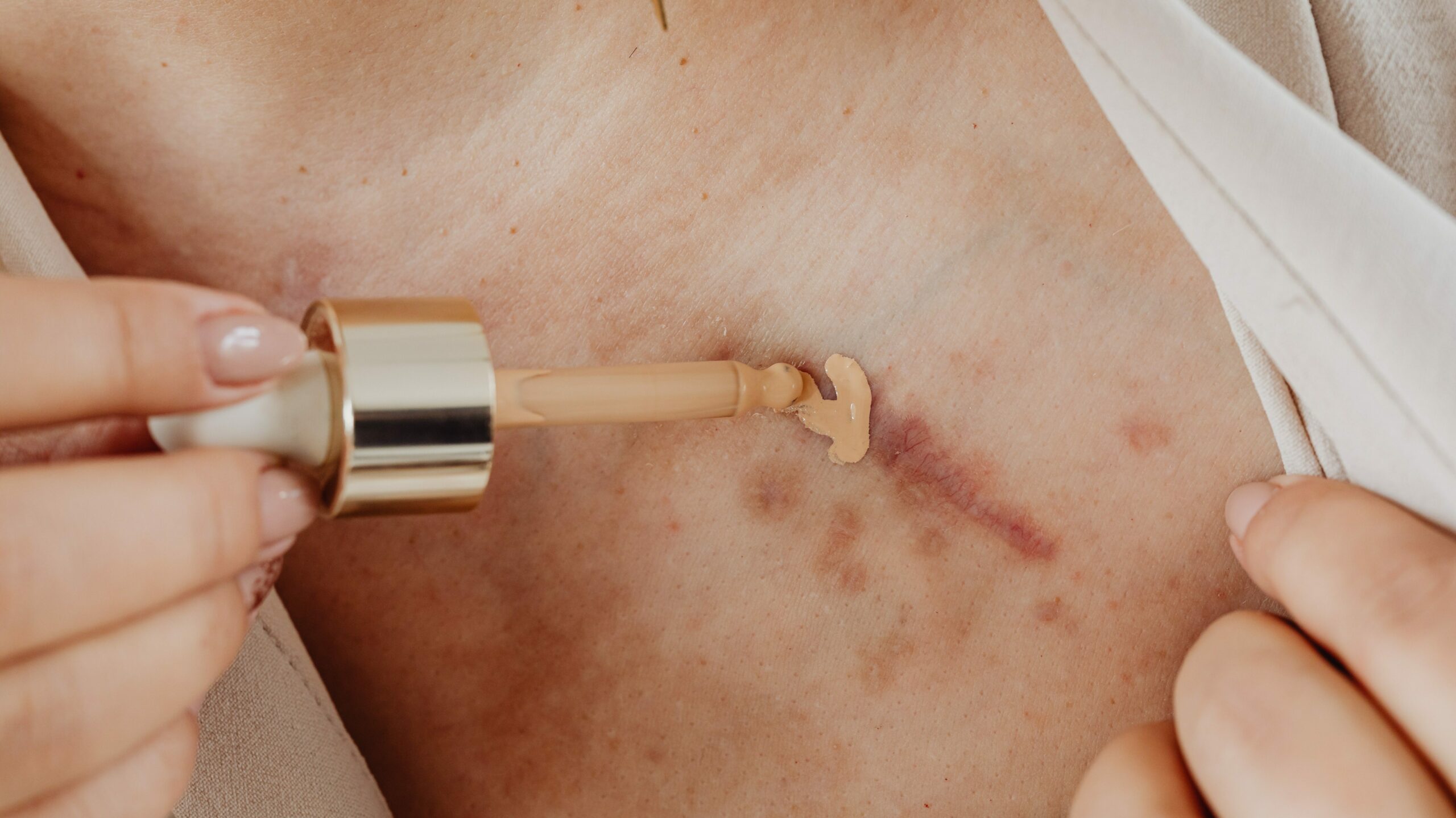
- Nerve Regeneration: When the skin is injured, nerve endings in the area may also be damaged. As the body heals, nerve regeneration occurs, and new nerve fibers grow to replace the damaged ones. This process can sometimes result in abnormal sensations, including itching, tingling, or numbness, in or around the scar tissue. The regenerating nerves may become hyperactive or overly sensitive, leading to itchiness in the scar long after the initial injury has healed.
- Collagen Remodeling: During the healing process, the body produces collagen, a protein that helps to form scar tissue. Over time, the collagen in the scar may continue to remodel and change, as the body attempts to further repair and strengthen the area. This ongoing process of collagen remodeling can sometimes cause the scar tissue to become more sensitive or irritated, leading to itching.
- Dryness of Scar Tissue: Scar tissue may have different properties than normal skin, and it can be more prone to dryness. Dryness of the scar tissue can cause the skin to become tight, flaky, and itchy. This can be particularly true for scars that are exposed to the air or frequent friction from clothing or other external factors. Inadequate moisture in the scar tissue can trigger itching sensations and discomfort.
- Scar Contracture: Some scars, particularly those that are large, deep, or located over joints, can develop into a condition known as scar contracture. Scar contracture occurs when the scar tissue tightens and contracts, leading to limitations in mobility and function. Scar contracture can also cause itching, as the tightening of the scar tissue can pull on the surrounding skin and nerves, leading to discomfort and itching sensations.
- Hypertrophic or Keloid Scarring: Hypertrophic and keloid scars are types of abnormal scar formation that can be more prone to itching. Hypertrophic scars are raised, thickened scars that remain within the boundaries of the original wound, while keloid scars are thick, raised scars that extend beyond the original wound. Both types of scars can be itchy and uncomfortable, and they are thought to be related to an overactive healing response, in which the body produces an excess amount of collagen. This excessive collagen production can result in heightened sensitivity and itching sensations in the scar tissue.
- Psychological Factors: It’s important to note that psychological factors can also play a role in how we perceive sensations such as itching in scars. The association between the scar and the initial injury or trauma, as well as the emotional impact of the scar, can influence our perception of itching. Psychological factors such as stress, anxiety, and depression can also affect our perception of itching sensations and may exacerbate the discomfort associated with old scars.
- Skin Conditions: In some cases, skin conditions unrelated to the scar itself may be responsible for the itching. Conditions such as eczema, dermatitis, or psoriasis can affect the skin around and over the scar, leading to itching sensations. The skin around the scar may also be more vulnerable to skin irritations, infections, or other dermatological conditions, which can trigger itching.
In conclusion, old scars can itch years later due to a combination of factors, including nerve regeneration, collagen remodeling, dryness of scar tissue, scar contracture, hypertrophic or keloid scarring, psychological factors, and potential skin conditions.
Why do old scars itch years later?