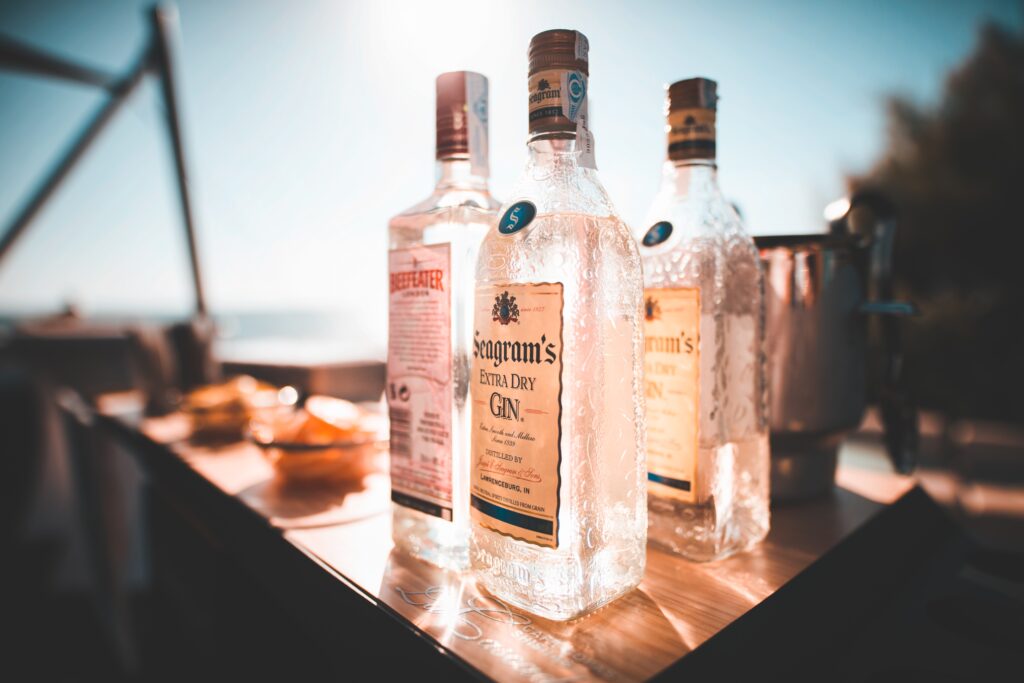
A 750ml bottle of alcohol is commonly known as a “fifth” in the United States. This nickname has its origins in the history of American liquor production and taxation.
In the late 1700s and early 1800s, the US government began imposing taxes on alcohol to generate revenue. The tax was levied on the amount of alcohol produced, which created an incentive for distillers to make their products as strong as possible. To measure the strength of a spirit, distillers used a hydrometer, which could calculate the alcohol content of a liquid.
At the time, the most common container for liquor was a barrel that held 40 gallons. When a distiller made a batch of whiskey, the total amount of alcohol produced was divided into 40 equal parts, each of which was called a “proof gallon.” This term referred to the fact that the alcohol was “proofed” or tested for its strength.
The government taxed alcohol based on the number of proof gallons a distiller produced. However, it was difficult to accurately measure the amount of alcohol in a barrel, and it was common for distillers to cheat by adding water to dilute their products. To combat this, the government began requiring that all spirits be bottled and labeled with the exact amount of liquid inside.
In 1854, the US government passed the Bottle Act, which required all alcohol to be sold in standard-sized bottles. The most common size was a quart, or one-fourth of a gallon. However, this created a problem for distillers who were accustomed to selling their products in “proof gallons.” To make the conversion from gallons to bottles easier, they began filling 750ml bottles, which held exactly one-fifth of a gallon.
Thus, the 750ml bottle became known as a “fifth” and has remained a standard size for liquor bottles in the United States. The term “fifth” has persisted even though the US government has changed its method of taxing alcohol several times since the 1800s.
In summary, a 750ml bottle is called a “fifth” because it originally held one-fifth of a gallon, which was a standard measurement for liquor production and taxation in the United States. While the taxation system has changed, the term “fifth” has remained in use as a nickname for this common bottle size.