Plantar warts are a common skin condition that affects the soles of the feet, and they can be painful and uncomfortable. The throbbing sensation you are experiencing could be caused by a variety of factors, including the size and location of the wart, pressure on the affected area, or an underlying infection. In this article, we will explore the various reasons why your plantar wart may be throbbing and what you can do to relieve the discomfort.
What is a plantar wart?
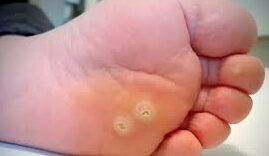
A plantar wart is a viral infection caused by the human papillomavirus (HPV) that affects the soles of the feet. They are typically small, grainy growths that appear on weight-bearing areas of the foot, such as the heel or ball of the foot. Plantar warts can be painful, especially when walking or standing, and can be difficult to treat due to their location.
Why do plantar warts throb?
- Pressure on the affected area
One of the most common reasons why plantar warts throb is due to pressure on the affected area. When you walk or stand, the weight of your body puts pressure on the wart, causing it to push against the surrounding tissue. This can lead to inflammation and pain, which can cause the wart to throb.
- Size and location of the wart
The size and location of the wart can also contribute to the throbbing sensation you are experiencing. If the wart is large or located in a highly sensitive area of the foot, such as the heel or ball, it can cause increased pressure and pain. Additionally, if the wart is located near a nerve, it can cause radiating pain and throbbing.
- Infection
In some cases, plantar warts can become infected, which can lead to increased pain and throbbing. Signs of infection may include redness, swelling, and pus or discharge from the affected area. If you suspect that your plantar wart may be infected, it is important to seek medical attention as soon as possible to prevent the infection from spreading.
How can you relieve the throbbing sensation?
- Over-the-counter pain relief
Over-the-counter pain relievers, such as ibuprofen or acetaminophen, can help to reduce pain and inflammation associated with plantar warts. Be sure to follow the recommended dosage and talk to your healthcare provider before taking any new medications.
- Change your footwear
Wearing shoes that provide proper support and cushioning can help to reduce pressure on the affected area and relieve the throbbing sensation. Look for shoes with a wider toe box and good arch support, and avoid shoes that are too tight or have high heels.
- Keep the affected area clean and dry
Keeping the affected area clean and dry can help to prevent infection and promote healing. Use a mild soap and warm water to clean the affected area, and be sure to dry your feet thoroughly after bathing or swimming.
- Use a pumice stone
Using a pumice stone to gently exfoliate the affected area can help to reduce the size and thickness of the wart, which can relieve pressure and reduce pain. Be sure to use a clean pumice stone and avoid sharing with others to prevent the spread of the virus.
- Seek medical attention
If your plantar wart is causing severe pain or does not respond to home remedies, it may be necessary to seek medical attention. Your healthcare provider may recommend a variety of treatment options, such as cryotherapy, laser therapy, or surgery, to remove the wart and relieve your symptoms.
In conclusion, plantar warts can be a painful and uncomfortable condition, but there are steps you can take to relieve the throbbing sensation and promote healing.