The short answer is yes, we will eventually run out of gas. However, the timeline for this event is difficult to predict, as it depends on a variety of factors such as the rate of consumption, discoveries of new reserves, and advancements in technology.
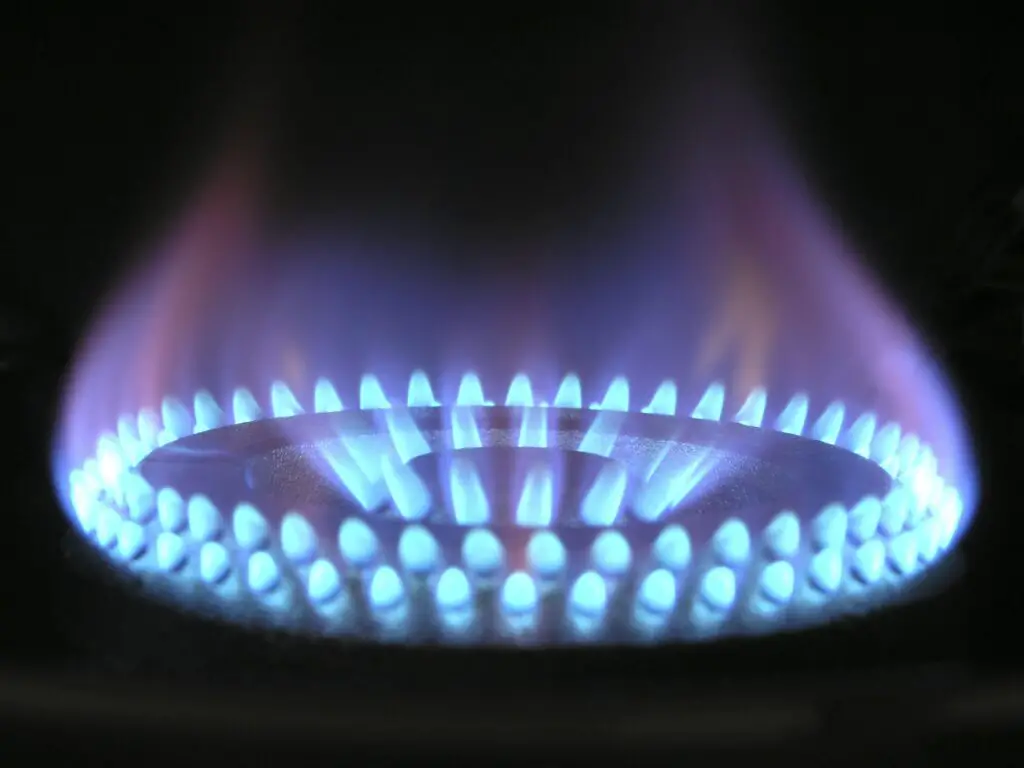
Gas, or petroleum, is a finite resource that is formed over millions of years from the remains of plants and animals that were buried beneath layers of sediment. These remains were subjected to high heat and pressure, which transformed them into fossil fuels such as oil and gas.
Despite the fact that the Earth contains vast reserves of oil and gas, the rate at which we are consuming them is unsustainable. According to the International Energy Agency, global oil demand is expected to peak in the 2030s, and gas demand is expected to plateau around the same time. This means that we are approaching a point where the amount of oil and gas that we can extract will no longer be enough to meet our needs.
One factor that contributes to the eventual depletion of gas reserves is the rate at which we are consuming them. As the world’s population continues to grow and developing countries increase their energy consumption, the demand for oil and gas will continue to rise. This increased demand will put pressure on existing reserves, and may result in more aggressive extraction methods that can deplete reserves more quickly.
Another factor that can impact the depletion of gas reserves is the discovery of new reserves. While there are still many unexplored areas of the world that may contain untapped reserves, the cost and difficulty of extraction may make it unfeasible to extract them. Additionally, environmental concerns may limit the ability to extract oil and gas from certain areas, such as protected ecosystems or areas with significant cultural or historical value.
Advancements in technology may also impact the timeline for when we will run out of gas. For example, new extraction methods such as hydraulic fracturing, or “fracking,” have allowed for the extraction of gas from previously inaccessible reserves. However, these methods are controversial due to their potential environmental impacts, and may not be sustainable in the long term.
Ultimately, the timeline for when we will run out of gas is difficult to predict, as it depends on a variety of factors. However, it is clear that we must begin to transition to more sustainable forms of energy in order to mitigate the impact of running out of gas. Renewable energy sources such as solar, wind, and hydroelectric power are becoming increasingly cost-competitive with fossil fuels, and may eventually replace them as our primary sources of energy.
In conclusion, while we will eventually run out of gas, the timeline for this event is difficult to predict. It will depend on a variety of factors such as the rate of consumption, discoveries of new reserves, and advancements in technology. However, it is clear that we must begin to transition to more sustainable forms of energy in order to mitigate the impact of running out of gas.