This yeast fermentation test is a simple and effective way to check the activity of yeast before using it in baking. It helps ensure that your yeast is alive and capable of leavening your dough.
The test involves mixing yeast with warm water and sugar, allowing it to sit for a short period to observe bubbling and frothing, indicating that the yeast is active.
Creating the Perfect Environment for Yeast
Setting the stage for yeast fermentation begins in a warm and inviting kitchen space.
The rustic countertop, adorned with flour and a rolling pin, adds a charming touch to the baking process.
This cozy atmosphere not only inspires creativity but also plays a vital role in the success of your baking endeavors.
Understanding Yeast Activity
Yeast is a living organism that requires the right conditions to thrive.
When mixed with warm water and sugar, it begins to feed and produce carbon dioxide, which is essential for leavening dough.
This fermentation process can be easily tested to ensure your yeast is alive and well before diving into your baking project.
The Importance of the Yeast Test
Conducting a yeast activity test is a straightforward yet crucial step in baking.
It typically takes about 10 minutes to prepare and observe, making it a quick addition to your baking routine.
By confirming the viability of your yeast, you can avoid potential baking mishaps and ensure your dough rises beautifully.
Visual Cues of Active Yeast
When performing the yeast test, look for specific signs that indicate activity.
After allowing the mixture to sit, bubbles and froth should appear on the surface of the water.
This foamy layer is a clear indication that your yeast is active and ready to help your dough rise.
What to Do if Your Yeast is Inactive
If you observe no bubbles or froth after the resting period, it may be time to reassess your yeast.
Inactive or expired yeast can lead to disappointing results in your baking.
In such cases, it’s advisable to try a new packet to ensure your baked goods turn out as intended.
Tips for Successful Yeast Fermentation
To maximize the effectiveness of your yeast, ensure that the water temperature is just right—around 110°F (43°C).
Too hot or too cold water can hinder yeast activity.
Additionally, using fresh ingredients will greatly improve your chances of achieving a successful rise in your dough.
Simple Yeast Activity Test
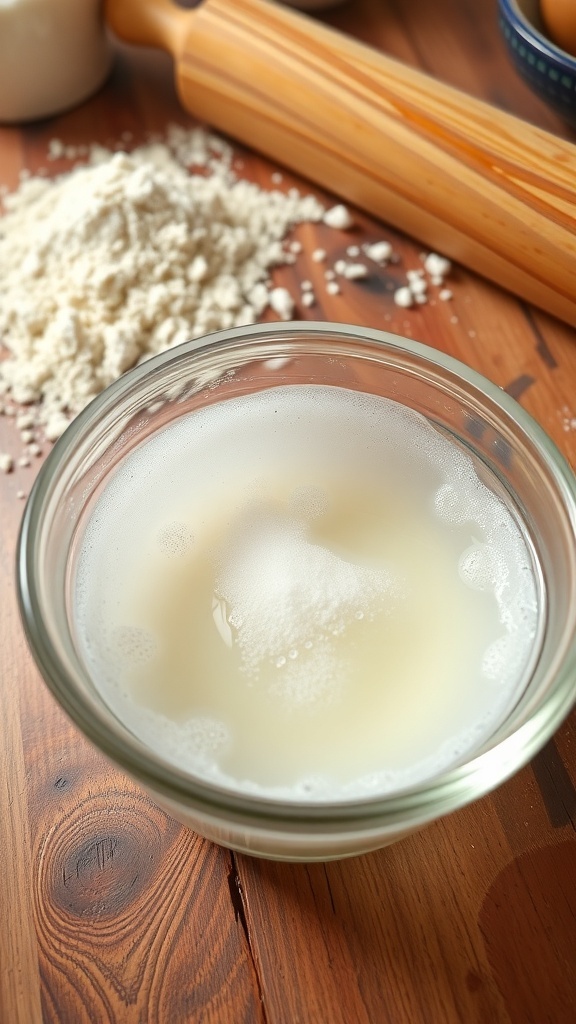
This yeast test takes about 10 minutes to prepare and observe. It serves as a reliable method to confirm the viability of dry yeast before adding it to your recipes.
Ingredients
- 1 packet (2 1/4 teaspoons) active dry yeast
- 1 tablespoon sugar
- 1/4 cup warm water (about 110°F or 43°C)
Instructions
- Combine Ingredients: In a small bowl, mix the warm water and sugar until the sugar dissolves.
- Add Yeast: Sprinkle the yeast over the surface of the water and let it sit for about 5-10 minutes without stirring.
- Observe: After the resting period, check for bubbles and froth on the surface. If you see a foamy layer, your yeast is active and ready to use.
- If there is no foam, the yeast may be expired or inactive, and you should try with a new packet.
Cook and Prep Times
- Prep Time: 5 minutes
- Total Time: 10 minutes
- Servings: 1 test
- Calories: 0 kcal
- Fat: 0g
- Protein: 0g
- Carbohydrates: 0g