Understanding the yeast to flour ratio is essential for successful bread baking. The right balance ensures proper fermentation, rise, and flavor development in your bread.
Typically, a standard ratio is about 1 packet (2 1/4 teaspoons) of active dry yeast to 4 cups of flour. However, this can vary based on the recipe and desired bread characteristics.
The Art of Bread Baking
Baking bread is a delightful process that combines simple ingredients to create something extraordinary. The transformation of flour, water, yeast, and salt into a golden brown loaf is a satisfying experience for any home baker.
The aroma of freshly baked bread wafting through the kitchen can evoke feelings of warmth and comfort. Understanding the fundamentals of bread baking, such as the yeast to flour ratio, is essential for achieving the perfect loaf.
Understanding Yeast and Flour Ratios
The relationship between yeast and flour is key to successful bread making. A standard guideline is to use one packet of active dry yeast, which is about 2 1/4 teaspoons, for every four cups of flour. This ratio helps ensure that the dough ferments properly, leading to a good rise and flavor development.
However, this ratio can be adjusted based on various factors, including the type of yeast used and the desired characteristics of the bread. Experimenting with these ratios can lead to unique textures and flavors.
Essential Ingredients for Bread
To create a delicious loaf, a few basic ingredients are necessary. In addition to flour and yeast, warm water, sugar, and salt play crucial roles in the baking process. Warm water activates the yeast, while sugar can help in the fermentation process.
Salt not only enhances flavor but also strengthens the dough structure. Each ingredient contributes to the overall success of the bread, making it essential to use quality components.
The Baking Process
The journey from dough to bread involves several steps that require attention and care. Initially, the yeast is activated by combining it with warm water and sugar, allowing it to froth and bubble.
Next, the flour and salt are mixed, and a well is created to incorporate the yeast mixture. Kneading the dough is a vital step, as it develops gluten, which gives bread its structure. This process typically takes about 8-10 minutes on a floured surface.
Rising and Shaping the Dough
Once kneaded, the dough needs to rise. Placing it in a greased bowl and covering it with a damp cloth allows it to double in size in a warm environment. This first rise is crucial for developing flavor and texture.
After the dough has risen, it is punched down, shaped into loaves, and allowed to rise again. This second rise helps create a lighter, airier loaf. Patience is key during this phase, as it allows the dough to develop further.
Baking to Perfection
Preheating the oven is an important step before baking the bread. The ideal temperature for baking is around 375°F (190°C). The bread should bake for about 25-30 minutes, turning a beautiful golden brown and producing a hollow sound when tapped.
Once baked, the loaf should be allowed to cool slightly before slicing. This waiting period enhances the flavor and texture, making it even more enjoyable to eat. Pairing the bread with olive oil and herbs creates an inviting experience for bread enthusiasts.
Optimal Yeast to Flour Ratios
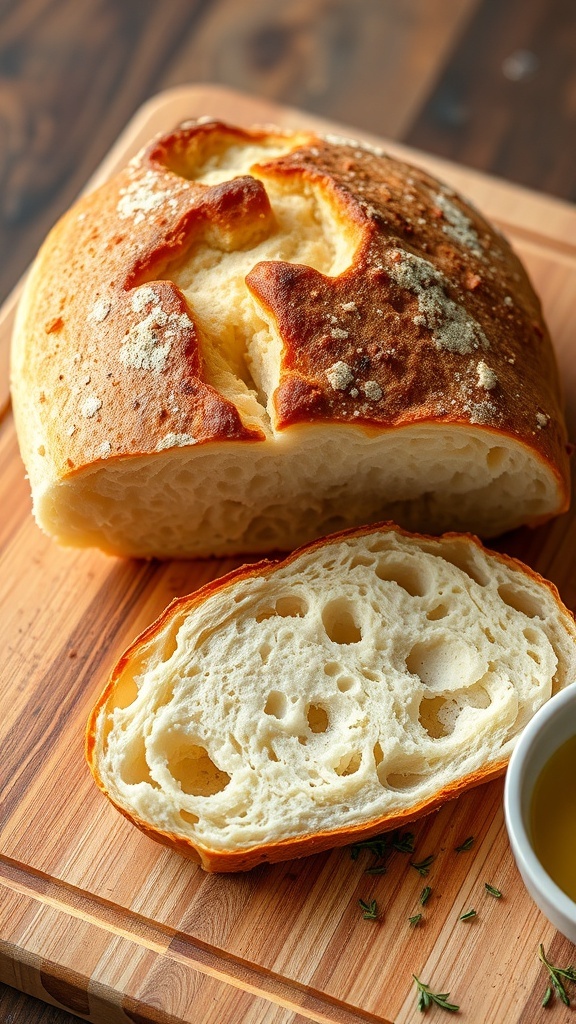
Using the correct yeast to flour ratio is crucial for achieving the desired texture and flavor in your bread. Adjustments can be made depending on the type of yeast used, the hydration level of the dough, and the fermentation time.
Ingredients
- 1 packet (2 1/4 teaspoons) active dry yeast
- 4 cups all-purpose flour
- 1 1/2 cups warm water (110°F)
- 1 tablespoon sugar (optional, for activation)
- 1 tablespoon salt
Instructions
- Activate the Yeast: In a small bowl, combine warm water, sugar, and yeast. Let it sit for about 5-10 minutes until frothy.
- Mix Ingredients: In a large bowl, combine flour and salt. Make a well in the center and pour in the activated yeast mixture.
- Knead the Dough: Mix until a dough forms, then knead on a floured surface for about 8-10 minutes until smooth and elastic.
- First Rise: Place the dough in a greased bowl, cover with a damp cloth, and let it rise in a warm place for 1-2 hours, or until doubled in size.
- Shape and Second Rise: Punch down the dough, shape it into loaves, and place in greased pans. Cover and let rise again for about 30-45 minutes.
- Bake: Preheat the oven to 375°F (190°C). Bake for 25-30 minutes or until golden brown and sounds hollow when tapped.
Cook and Prep Times
- Prep Time: 15 minutes
- Cook Time: 30 minutes
- Total Time: 2 hours 15 minutes
- Servings: 1 loaf
- Calories: 120kcal per slice
- Fat: 1g
- Protein: 4g
- Carbohydrates: 24g