Duck animation involves creating lively and engaging representations of ducks in various forms of media, including cartoons, films, and video games. This process requires an understanding of both the physical characteristics of ducks and the principles of animation.
Animators can utilize techniques such as traditional hand-drawn animation, 3D modeling, and stop-motion to bring ducks to life on screen. Each method offers unique advantages and challenges.
Understanding Duck Animation
Creating animated ducks involves a blend of artistry and technical skill.
Animators must grasp the unique characteristics of ducks, including their movements and behaviors.
This understanding allows for the creation of lively and engaging representations that resonate with audiences.
The animation process can be both enjoyable and educational.
It encourages animators to study how ducks interact with their environment, whether in a whimsical cartoon or a more realistic setting.
This exploration can lead to a deeper appreciation of these charming birds.
Character Design
Character design is a fundamental aspect of duck animation.
Unique and appealing duck characters can be created by emphasizing distinct features such as color, size, and personality traits.
This individuality helps each character stand out and connect with viewers.
Designing ducks with playful poses and expressions enhances their charm.
Animators can experiment with various styles, from cartoonish to more lifelike representations.
This flexibility allows for creativity and innovation in character development.
Storyboarding Techniques
Storyboarding is essential for planning the animation sequence.
By sketching key frames and actions, animators can visualize how the ducks will move and interact.
This step helps in organizing the flow of the animation and ensuring a coherent narrative.
Effective storyboarding also allows for the exploration of different scenarios.
Animators can depict ducks swimming, quacking, or engaging in playful antics.
This planning stage is crucial for a successful animation project.
Animation Principles
Applying animation principles is vital for creating realistic movements.
Techniques such as squash and stretch, anticipation, and timing can bring the ducks to life on screen.
These principles help convey emotions and actions effectively.
For instance, using squash and stretch can emphasize a duck’s playful jumps or splashes in the water.
Anticipation can enhance the comedic effect of a duck preparing to quack or dive.
Mastering these principles elevates the overall quality of the animation.
Voice Acting and Personality
Incorporating voice acting adds depth to animated ducks.
Voice work can infuse personality into each character, making them more relatable and engaging.
Choosing the right voice can enhance the humor and charm of the animation.
Voice actors can bring unique traits to their characters, from a cheerful quack to a grumpy grunt.
This diversity in vocal expression enriches the viewing experience and helps audiences connect with the ducks on a personal level.
Post-Production Refinement
Post-production is where the magic truly comes together.
Editing and refining the animation allows for the addition of sound effects and backgrounds, creating a complete viewing experience.
This stage is crucial for polishing the final product.
Attention to detail in post-production can significantly enhance the overall quality.
Adding ambient sounds of a lively pond or the rustling of leaves can immerse viewers in the cheerful atmosphere.
The final touches ensure that the animated ducks resonate with audiences, leaving a lasting impression.
Understanding Duck Animation
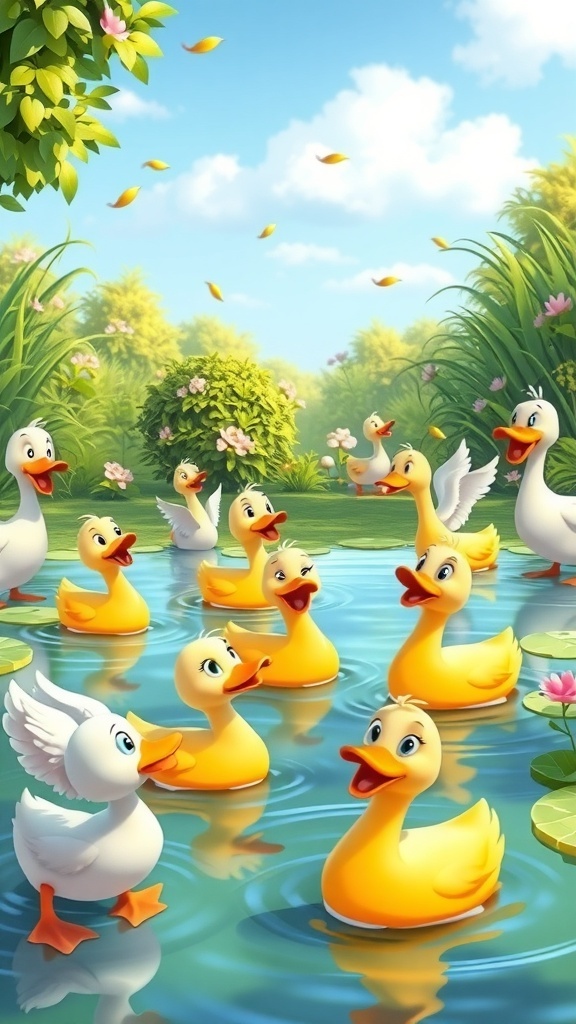
Duck animation can be both fun and educational, allowing animators to explore the movement and behavior of these birds. The techniques used can vary widely depending on the desired style and medium, whether it be a whimsical cartoon or a realistic portrayal.
Ingredients
Related
- Egg Animation: A Creative Guide to 2D Animation Techniques
- Duck Painting Techniques for Beginners
- Duck Embroidery Patterns and Techniques
- Duck Oil Painting Techniques