Parmesan cheese, known for its rich flavor and granular texture, is a staple in many cuisines, particularly Italian. This hard cheese is made from cow’s milk and is aged for a minimum of 12 months, resulting in its distinctive taste and aroma.
Parmesan can be used in various dishes, from pasta and risottos to salads and soups. It can be grated, shaved, or served in chunks, making it a versatile ingredient in the kitchen.
Understanding Parmesan Cheese
Parmesan cheese, or Parmigiano-Reggiano, is a celebrated cheese originating from specific regions in Italy.
Its hard texture and rich flavor make it a staple in many kitchens around the world.
The aging process, which lasts a minimum of 12 months, significantly enhances its taste, resulting in a complex profile that is both nutty and savory.
This cheese is incredibly versatile and can be grated, shaved, or served in chunks.
It finds its way into a variety of dishes, from classic pasta and risottos to salads and soups.
Its unique characteristics make it a favorite among chefs and home cooks alike.
The Production Process
The journey of Parmesan cheese begins with the careful collection of fresh cow’s milk.
Quality is paramount, and the milk is thoroughly tested before it is used.
Once deemed suitable, rennet and cultures are added to initiate the curd formation process.
After the curds form, they are cut into small pieces to release whey, followed by heating and stirring to further expel moisture.
The curds are then placed into molds and pressed into shape.
Salting is a crucial step, enhancing both flavor and preservation before the cheese is set to age.
Aging and Flavor Development
The aging process is where Parmesan truly shines.
Over the course of at least 12 months, the cheese develops its signature flavor and texture.
The longer it ages, the more pronounced the taste becomes, making it a sought-after ingredient for various culinary applications.
Proper storage is essential to maintain its quality during aging.
When kept in optimal conditions, Parmesan can last for an extended period, allowing cheese lovers to enjoy its rich flavors over time.
Nutritional Benefits
Parmesan cheese is not just a flavorful addition to meals; it also offers nutritional benefits.
A single ounce contains approximately 110 calories, with 7 grams of fat and 10 grams of protein.
This makes it a satisfying option for those looking to enhance their dishes without compromising on nutrition.
Moreover, its low carbohydrate content makes it suitable for various dietary preferences, including low-carb diets.
Incorporating Parmesan into meals can add depth and richness while providing essential nutrients.
Pairing Suggestions
When it comes to pairing, Parmesan cheese excels alongside a variety of accompaniments.
It pairs beautifully with red wines, enhancing the overall tasting experience.
Fresh herbs can also complement its flavor, adding a vibrant touch to any cheese platter.
For a delightful experience, consider serving Parmesan with fruits, nuts, or even drizzled with a bit of balsamic reduction.
These combinations can elevate the cheese’s natural flavors, making for a memorable tasting experience.
Conclusion
Parmesan cheese stands as a testament to the art of cheesemaking.
Its rich history, meticulous production process, and versatile applications make it a beloved ingredient in kitchens worldwide.
Whether enjoyed on its own or as part of a dish, Parmesan continues to captivate taste buds with its unique characteristics.
Understanding Parmesan Cheese
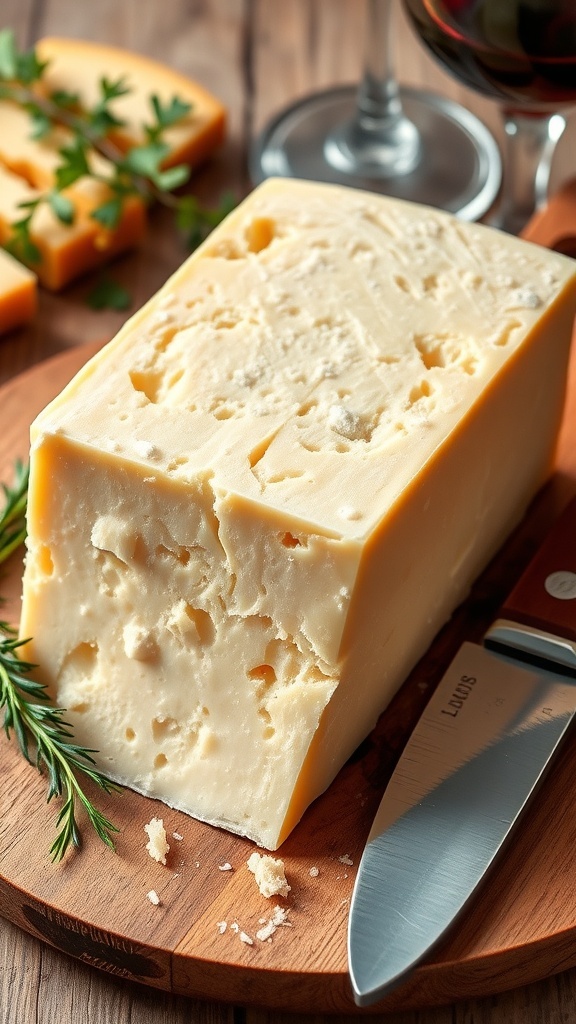
Parmesan cheese is often referred to as Parmigiano-Reggiano when produced in specific regions of Italy. The aging process enhances its flavor, making it a favorite for grating over dishes or enjoying on its own. It pairs well with wines and can be stored for long periods when kept properly.
Ingredients
- Cow’s milk
- Salt
- Rennet
- Cultures
Instructions
- Milk Collection: Fresh cow’s milk is collected and tested for quality.
- Curd Formation: Rennet and cultures are added to the milk to form curds.
- Cutting the Curd: The curds are cut into small pieces to release whey.
- Cooking and Stirring: The curds are heated and stirred to further expel whey.
- Molding: The curds are placed into molds and pressed to form the cheese shape.
- Salting: The cheese is salted to enhance flavor and preserve it.
- Aging: The cheese is aged for a minimum of 12 months, developing its flavor.
Cook and Prep Times
- Prep Time: N/A
- Cook Time: N/A
- Total Time: Minimum 12 months aging
- Servings: 1 ounce
- Calories: 110kcal
- Fat: 7g
- Protein: 10g
- Carbohydrates: 1g
Related
- Five Nights at Freddy’s: Tales from the Pizzaplex – Chapter Overview
- Cheese Escape Chapter 2 Map Overview
- Bread Flour Overview
- Zero Carb Diet Overview